
.avif)
.avif)
.avif)
.avif)

.avif)
.avif)
.avif)
.avif)
.avif)
.avif)
.avif)
.avif)
.avif)
.avif)
.avif)
.avif)
.avif)
.avif)
.avif)
.avif)
.avif)
.avif)
.avif)
.avif)
.avif)
Historisches Anwesen mit zwei Cottages zum Verkauf — Đuraševići, Tivat
370.000 €
Maša Flynn
Funktionen
Explore in 3D
Guided Video Tour
In Brief
Ein historisches Anwesen mit zwei Cottages in Đuraševići – einem ruhigen montenegrinischen Dorf am landseitigen Eingang zur Halbinsel Luštica. Es umfasst zwei unabhängige Duplex-Cottages, zwei Nebengebäude und einen großzügigen, steinernen Innenhof von 155 m², der in zwei miteinander verbundene Bereiche unterteilt ist. Das Anwesen erstreckt sich über zwei Ebenen: ein Erdgeschoss von ca. 140 m² und ein Dachgeschoss mit ähnlicher Fläche. Zusammen mit den beiden Nebengebäuden von 44 m² und 29 m² ist die bebaute Gesamtfläche für diesen Standort und den geforderten Preis beachtlich.
Das Anwesen ist schätzungsweise 200 Jahre alt und wurde vollständig renoviert: das Wormwood Cottage im Jahr 2016, das Figgy Cottage im Jahr 2019, wobei im Zuge dieser Arbeiten das gesamte Dach erneuert wurde. Die Elektroinstallation wurde im gesamten Gebäude komplett erneuert. Glasfaser-Internet ist vorhanden. Die Wasserversorgung erfolgt über das städtische Leitungsnetz, ergänzt durch einen Wassertank als Reserve. Bei der Renovierung wurde die historische Bausubstanz durchgehend bewahrt: sichtbare Deckenbalken, Dielenböden aus breiten Holzplanken und das ursprüngliche Mauerwerk im Dachgeschoss.
Lustica Bay Centrale 3 km / 8 Min.; Lustica Bay Golfplatz 5 km / 10 Min.; Radovići (Supermärkte, Grundschule) 1,5 km / 4 Min.; Arcadia International School 8 km / 12 Min.; Flughafen Tivat (TIV) 9 km / 13 Min.; Porto Montenegro 9 km / 15 Min.; Altstadt von Kotor 11 km / 17 Min.
Beschreibung
Beschreibung
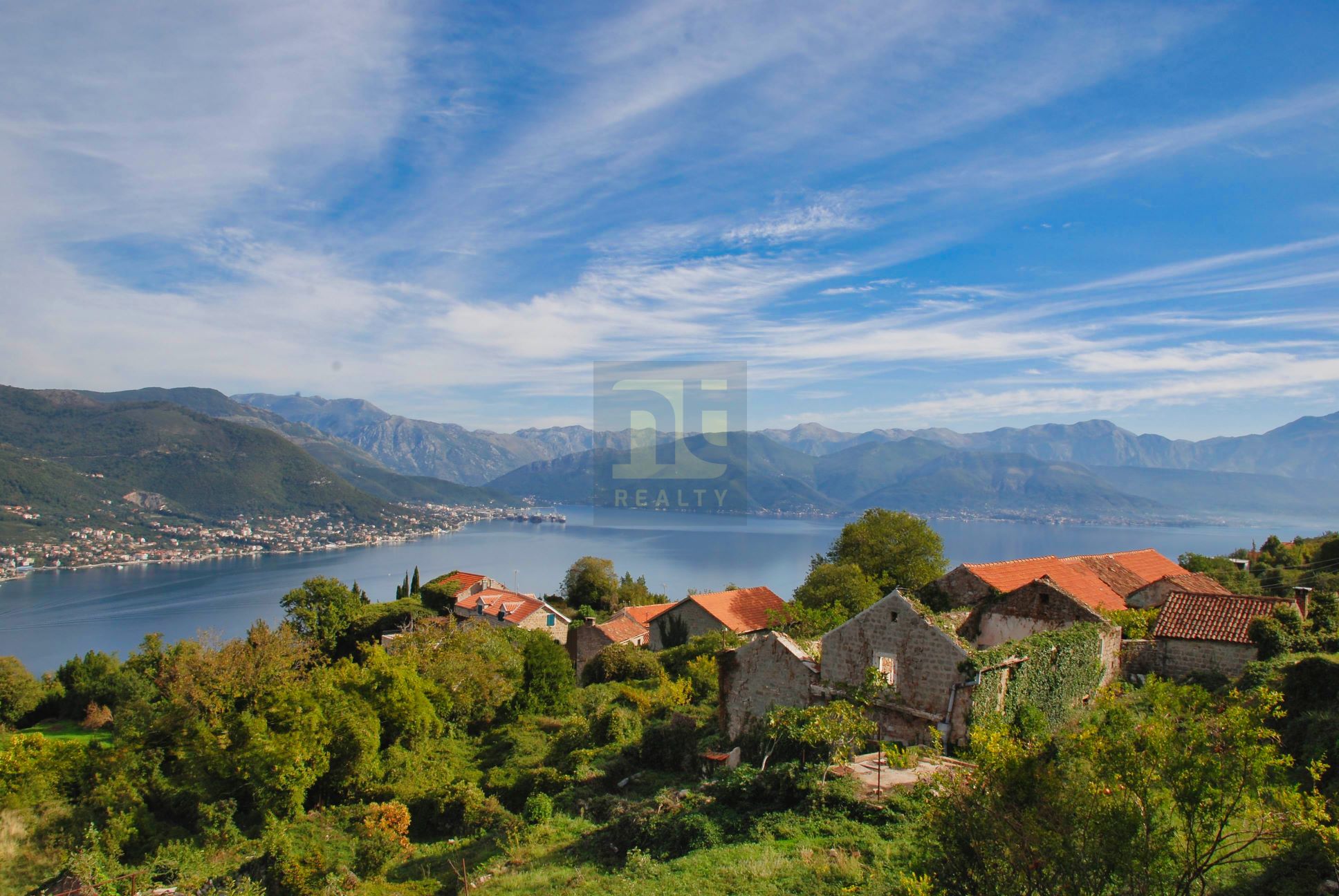
Đuraševići ist ein traditionelles montenegrinisches Dorf am Rande der Halbinsel Luštica – ein Ort, an dem das Tempo von den ganzjährig ansässigen Bewohnern bestimmt wird, die Gassen eng sind und die Steinmauern so alt sind, dass sich niemand mehr an ihre Errichtung erinnern kann.
Das Anwesen selbst ist ein Paradebeispiel dafür: Ein Weinstock am Eingang zum Wormwood Cottage wurde vor etwa 200 Jahren gepflanzt, und die Mauern gehören zu den ältesten erhaltenen Strukturen des Dorfes. Nichts davon wurde bei der Renovierung geglättet oder entfernt.
Drei Kilometer weiter auf der Halbinselstraße wandelt sich die Landschaft komplett: Lustica Bay Centrale mit seinem Yachthafen, der Piazza, Restaurants und einem Meisterschaftsgolfplatz ist nur acht Autominuten entfernt. Diese Nähe – echter dörflicher Charakter gepaart mit funktionierender Resort-Infrastruktur – macht diese Lage auf der Halbinsel so außergewöhnlich.
Das Anwesen besteht aus zwei vollständig renovierten Duplex-Cottages auf einem gemeinsamen Grundstück: dem Wormwood Cottage, dem ursprünglichen und größeren Gebäude, und dem daneben liegenden Figgy Cottage. Jedes Cottage funktioniert unabhängig auf zwei Ebenen: Im Erdgeschoss befinden sich ein Wohnzimmer, eine Küche, ein Essbereich, ein Flur, ein Schlafzimmer und ein Badezimmer; darüber ein offener Dachboden mit sichtbarer Dachkonstruktion – neue Holzbalken, die bis zum First reichen, Giebelwände aus Naturstein und durchgehende Dielenböden.
Das Wormwood Cottage ist das charaktervollere der beiden. Kiefernholzböden, sichtbare Deckenbalken, ein Holzofen als Herzstück des Wohnbereichs sowie eine Küche mit Holzarbeitsplatten und einem Esstisch für sechs Personen. Ein vor etwa 200 Jahren gepflanzter Weinstock beschattet den Eingang.
Das Figgy Cottage besitzt einen eigenen, ebenso reizvollen Charakter. Es wurde 2019 renoviert und bietet eine ruhigere, durchdachte Farbpalette: Wände in Salbei- und Enteneiblau, neu angebrachte, cremefarbene Wandpaneele im historischen Stil, ein Kronleuchter über dem Wohn- und Essbereich sowie sichtbare Balken an der Decke. Das Badezimmer ist hochwertig ausgeführt, mit großformatigen Fliesen in Steinoptik und einer begehbaren Regendusche hinter einer Ganzglaswand. Die Treppe zum Dachgeschoss führt durch eine Velux-beleuchtete Öffnung in den gemeinsamen Dachbereich. Ein ausgewachsener Feigenbaum beschattet den zum Figgy Cottage gehörenden Teil des Innenhofs.
Draußen verbindet ein gepflasterter Innenhof das gesamte Anwesen. Er ist in zwei individuelle Bereiche unterteilt – einen für jedes Cottage –, die durch eine Metalltür verbunden sind. So kann der Außenbereich privat für jede Einheit genutzt oder bei gemeinsamer Hand als ein großer Hof zusammengelegt werden. Jeder Bereich verfügt über eine eigene Sitzgelegenheit. Ein Whirlpool und ein eingebauter holzbefeuerter Grillofen befinden sich ebenfalls im Innenhof. Parkplätze an der Straße stehen direkt vor dem Anwesen zur Verfügung.
Die beiden Nebengebäude runden das Bild ab. Das größere (44 m²) ist das ursprüngliche Viehhaus – das älteste Element auf dem Grundstück, dessen ehemalige Dachlinie an der gemeinsamen Mauer noch sichtbar ist – und wird derzeit als Waschküche und Werkstatt genutzt. Das kleinere (29 m²) ist ein separates Nebengebäude im Innenhof. Beide bieten Potenzial für einen Umbau oder eine weitere Nutzung. Die Wasserversorgung erfolgt über das städtische Netz, ein Wassertank dient als Reserve; Glasfaser-Internet ist angeschlossen.
Hauptmerkmale
- Historisches Anwesen mit zwei Cottages, ca. 1820, Đuraševići, Gemeinde Tivat – einige Mauern gehören zu den ältesten erhaltenen Strukturen des Dorfes
- Erdgeschoss ca. 140 m²; Dachgeschoss mit ähnlicher Fläche darüber – ursprüngliche Firstkonstruktion, Giebel aus Naturstein, Dielenböden aus breiten Planken
- Zwei vollständig renovierte, unabhängige Maisonette-Häuser: Wormwood Cottage (2016) und Figgy Cottage (2019) – jeweils mit Wohn-, Koch- und Essbereich, Schlafzimmer und Bad im Erdgeschoss sowie einem offenen Dachboden darüber.
- Zwei zusätzliche Nebengebäude: 44 m² (ehemaliger Viehstall, heute Waschküche/Werkstatt) und 29 m² (separates Gebäude im Innenhof).
- Historische Bausubstanz durchgehend erhalten: sichtbare Deckenbalken, breite Kieferndielen, originales Mauerwerk im Dachgeschoss.
- Figgy Cottage: neu angebrachte, cremefarbene Wandpaneele im historischen Stil; großformatig gefliestes Badezimmer mit begehbarer Glasdusche; Dachbodentreppe mit Velux-Fenster.
- Steinbepflasterter Innenhof (155 m²) in zwei miteinander verbundenen Bereichen: zwei Sitzgelegenheiten, Whirlpool, holzbefeuerter Grillofen; 200 Jahre alter Weinstock am Eingang zum Wormwood-Tor; ausgewachsener Feigenbaum auf der Seite des Figgy Cottage.
- Parkmöglichkeiten direkt vor dem Grundstück.
- Neues Dach für das gesamte Anwesen (2016); vollständige Erneuerung der Elektrik; Glasfaser-Internet; drei unabhängige Sicherungskästen.
- Städtischer Wasseranschluss mit zusätzlichem Wassertank; Klärgrube kürzlich gewartet.
- Holzofen im Wormwood Cottage; Klimaanlage in beiden Häusern; elektrische Heizkörper in allen Räumen.
- Geeignet für eine Familie, zur Eigennutzung mit Vermietung oder als zwei unabhängige Mieteinheiten.
- Lustica Bay Centrale 3 km / 8 Min.; Golfplatz 5 km / 10 Min.; Arcadia School 8 km / 12 Min.; Flughafen Tivat 9 km / 13 Min.; Porto Montenegro 9 km / 15 Min.; Altstadt von Kotor 11 km / 17 Min.
Das Besondere
Ein geräumiges, historisches Anwesen in zwei Teilen – beide unabhängig, beide mit eigenem Charakter, beide vollständig renoviert – auf einem Grundstück mit zwei Nebengebäuden, einem großen Dachgeschoss und einem echten Innenhof, nur drei Minuten von der Lustica Bay entfernt. Diese Kombination ist auf dieser Halbinsel wirklich selten. Immobilien dieser Größe und historischen Tiefe in dieser Nähe zur Resort-Infrastruktur kommen nur selten auf den Markt.
Das Alter des Gebäudes ist kein Nachteil, sondern sein größter Vorzug. Zwei Jahrhunderte alte Steinmauern, sichtbare Balken, breite Dielenböden und das unverkleidete Mauerwerk im Dachgeschoss verleihen dem Anwesen eine Charaktertiefe, die kein Datenblatt ersetzen kann. Die Renovierung erfolgte mit Zurückhaltung – neue Systeme, bewahrte Bausubstanz, nichts wurde glattpoliert. Die neuen Paneele im Figgy Cottage harmonieren wunderbar mit der alten Substanz des Wormwood Cottage: zwei unterschiedliche Innenräume, beide absolut sehenswert.
Die Lage rundet das Gesamtbild ab. Djurasevici liegt an der Straße zur Lustica Bay, die Strände von Zanjic, Miriste und Plavi Horizonti an der Adria sind 25 Minuten weiter auf der Halbinsel zu erreichen. Die Elektro-Fähre „EcoBoats“ legt direkt an der Küste von Djurasevici ab und verbindet das Dorf direkt mit dem Yachthafen Pine in Tivat.
Für Käufer
Ideal für Käufer, die echten montenegrinischen Charakter in großzügigem Rahmen suchen: zwei unabhängige Maisonette-Einheiten mit besonderer historischer Substanz, einem großen gemeinsamen Dachboden, zwei Nebengebäuden und einem geteilten Innenhof als Wohnraum im Freien – alles in unmittelbarer Nähe zum Yachthafen, Golfplatz und den Restaurants der Lustica Bay. Perfekt für eine Großfamilie, die Privatsphäre innerhalb eines gemeinsamen Anwesens wünscht, oder für Käufer, die ein Haus selbst bewohnen und das andere vermieten möchten. Auch als Investition attraktiv: zwei vermietbare Maisonette-Einheiten in einem authentischen Dorf am Tor zu einer der am schnellsten wachsenden Urlaubsregionen an der montenegrinischen Küste.
Nicht geeignet für Käufer, die eine Adresse direkt am Wasser, einen Neubau oder eine wartungsfreie Wohnung suchen. Die Dorfstraßen sind eng, ein Auto ist unerlässlich und das Anwesen ist ein historisches Gebäude – voller Charakter und genau so zu verstehen.
Lokale Annehmlichkeiten
Djurasevici liegt am buchtseitigen Rand der Halbinsel Lustica. Der Fähranleger der Elektroboote von EcoBoats in Bazdanj verbindet das Dorf direkt mit dem Yachthafen Pine in Tivat. Drei Kilometer die Halbinselstraße hinauf bietet Lustica Bay Centrale einen vollwertigen Yachthafen, eine Piazza, einen Supermarkt und verschiedene Restaurants. Das traditionelle Dorf Radovici – mit einem Voli-Supermarkt, lokalen Lebensmittelgeschäften und einer Grundschule – ist nur vier Autominuten entfernt.
In unmittelbarer Nähe
- Radovici: 1,5 km / 4 Min. – Voli-Supermarkt, lokale Lebensmittelgeschäfte, Bäckerei, Grundschule; authentisches montenegrinisches Dorfleben
- Lustica Bay Centrale: 3 km / 8 Min. – Yachthafen, Piazza, Supermarkt, Restaurants; das soziale und kommerzielle Zentrum des Resorts
- Lustica Bay Golfplatz (Gary Player Design): 5 km / 10 Min. – der einzige Meisterschaftsgolfplatz an der montenegrinischen Küste
- Restaurant Vino Santo, Küste von Krtole / Djurasevici: beliebtes montenegrinisches Fischrestaurant direkt am Wasser; schwarzes Risotto, Oktopus, frischer Wolfsbarsch; eine unkomplizierte Option vor Ort
- 21 Bistro, Lustica Bay: ganztägige Brasserie-Küche an der Promenade des Yachthafens
- The Lighthouse, Lustica Bay: gehobene Küche mit Blick über die Bucht von Traste
- Luca National Eatery, Lustica Bay: montenegrinische Gastronomie mit regionalen Zutaten
- The Rok Beach Bar, Bucht von Traste: ca. 20 Min. – der ungestörteste Blick auf den Sonnenuntergang in der weiteren Buchtregion
Restaurants auf der Halbinsel
- Ribarsko Selo (Fischerdorf), Zanjic: 15 km / 26 Min. – fangfrischer Fisch direkt am Strand von Zanjic; Hummer aus dem Becken, Sonnenliegen, eines der beständigsten und beliebtesten Restaurants auf der Halbinsel
- Adriatic Rose, Dorf Rose: 15 km / 30 Min. – Fischgerichte und Abendessen bei Sonnenuntergang an der äußersten Spitze der Halbinsel, wo die Bucht von Kotor auf die Adria trifft
Strände auf der Halbinsel
- Zanjic (Zanjice): 15 km / 26 Min. – zur Adria hin gelegen; klares Wasser, Strandbars, Restaurant Ribarsko Selo direkt am Wasser
- Miriste: direkt neben Zanjic – ruhiger; die österreichisch-ungarische Festung Arza an der Landspitze; Felsenbecken
- Uvala Veslo (Ponta Veslo): 25 km / 35 Min. – inmitten eines alten Olivenhains; Klippenspringen, Schnorcheln, Kajaktouren zur Blauen Grotte
- Rosendorf: 15 km / 30 Min. – historisches Fischerdorf an der Spitze der Halbinsel; mehrere Restaurants, darunter das Forte Rose innerhalb der Festungsmauern
- Plavi Horizonti (Blaue Horizonte / Bucht von Traste): 20 km / 25 Min. – Sandstrand mit Blauer Flagge; der am besten ausgebaute Strand auf der Halbinsel
Mit dem Auto
- Radovici: 1,5 km / 4 Min.
- Lustica Bay Centrale: 3 km / 8 Min.
- Lustica Bay Golfplatz: 5 km / 10 Min.
- Zentrum von Tivat: 8 km / 12 Min. – Supermärkte HDL, Voli, Idea; umfassendes Angebot an Geschäften und Dienstleistungen
- Flughafen Tivat (TIV): 9 km / 13 Min.
- Porto Montenegro: 9 km / 15 Min. – Superyacht-Yachthafen, Boutiquen, Restaurants, Privatklinik Milmedika
- Altstadt von Kotor: 11 km / 17 Min. – mittelalterliche Stadt (UNESCO-Welterbe); Krankenhaus Kotor 10 km / 15 Min.
- Flughafen Podgorica (TGD): 80 km / 1 Std. 35 Min.
- Flughafen Dubrovnik (DBV): 65 km / 1 Std. 30 Min. (Grenzübergang – planen Sie in der Saison zusätzliche Zeit ein)
Schulen
- Örtliche Grundschule, Radovici: 1,5 km / 4 Min.
- Arcadia International School (Cambridge IGCSE & A Levels), Ljesevici: 8 km / 12 Min.
- Knightsbridge Schools International: ca. 12 km / 21 Min.
Medizinische Versorgung
- Krankenhaus Kotor: 10 km / 15 Min. – umfassende öffentliche medizinische Versorgung
EcoBoats-Fährverbindung
Die Elektro-Fähre EcoBoats verkehrt von Bazdanj an der Küste von Djurasevici – etwa 10 Minuten von der Unterkunft entfernt – zum Yachthafen Pine in Tivat, mit einer Shuttle-Verbindung weiter nach Lustica Bay Centrale. Die Überfahrt dauert 25–30 Minuten; die gesamte Reise bis Centrale etwa 40–45 Minuten.
Einschätzung vom Makler
Objekte wie dieses kommen selten auf den Markt, da sie heute nicht mehr so gebaut werden. Zwei unabhängige Maisonette-Einheiten mit echtem historischen Charakter – zwei Jahrhunderte alte Steinmauern, sichtbare Holzbalken und Dielenböden, fachgerecht renoviert, ohne den ursprünglichen Charme zu zerstören – auf einem Grundstück mit zwei Nebengebäuden und einem geteilten Innenhof für 370.000 €, nur drei Minuten von der Lustica Bay entfernt. Das ist viel Immobilie in guter Lage für diesen Preis.
Die Renovierung ist solide Handwerksarbeit. Die gesamte Haustechnik – Elektrik, Sanitär, Dach – wurde auf den neuesten Stand gebracht. Die Bausubstanz blieb dabei erhalten. Die neu angebrachte Vertäfelung im Figgy Cottage sorgt für ein durchdachtes Interieur, das die ältere Struktur des Wormwood-Hauses ergänzt, statt sie nur zu kopieren. Der Innenhof mit Whirlpool, Holzofen, bewachsenem Tor und schattigen Sitzplätzen unter dem Feigenbaum fungiert als vollwertiger Außenbereich – was in diesem Klima den Großteil des Jahres von Bedeutung ist.
Die ehrlichen Anmerkungen: Die Dorfgassen sind eng, ein Auto ist unerlässlich. Das Anwesen ist ein historisches Gebäude und sollte auch so betrachtet werden – mit all der Textur und den gelegentlichen Eigenheiten, die das mit sich bringt. Die Nebengebäude werden im Ist-Zustand präsentiert, nicht als bloße Potenzialfläche. Dem gegenüber steht: zwei Maisonette-Einheiten mit besonderem historischen Charakter und zwei Nebengebäude am Tor zur Halbinsel Lustica.
Kontaktieren Sie uns für einen Besichtigungstermin.
NT Realty is a boutique real estate agency based in Tivat, Montenegro. Founded by Peter Flynn, who first came to the Bay of Kotor in 2005 as a property investor and has since built businesses across real estate development, architecture, and interior design, the agency is run alongside Maša Flynn — architect and former Head of Design at Porto Montenegro, where she delivered over €60 million of projects on time and on budget. Between them they bring a depth of local market knowledge that is difficult to find elsewhere in the region.
The team specialises in properties for sale and long-term rentals across the Bay of Kotor, Tivat Bay, and the Luštica Peninsula — from Porto Montenegro and Luštica Bay to private homes throughout the wider region. Our job is to guide buyers, sellers, and tenants through the process clearly, honestly, and without unnecessary complexity.
Landkarte
Leitfaden für die Nachbarschaft
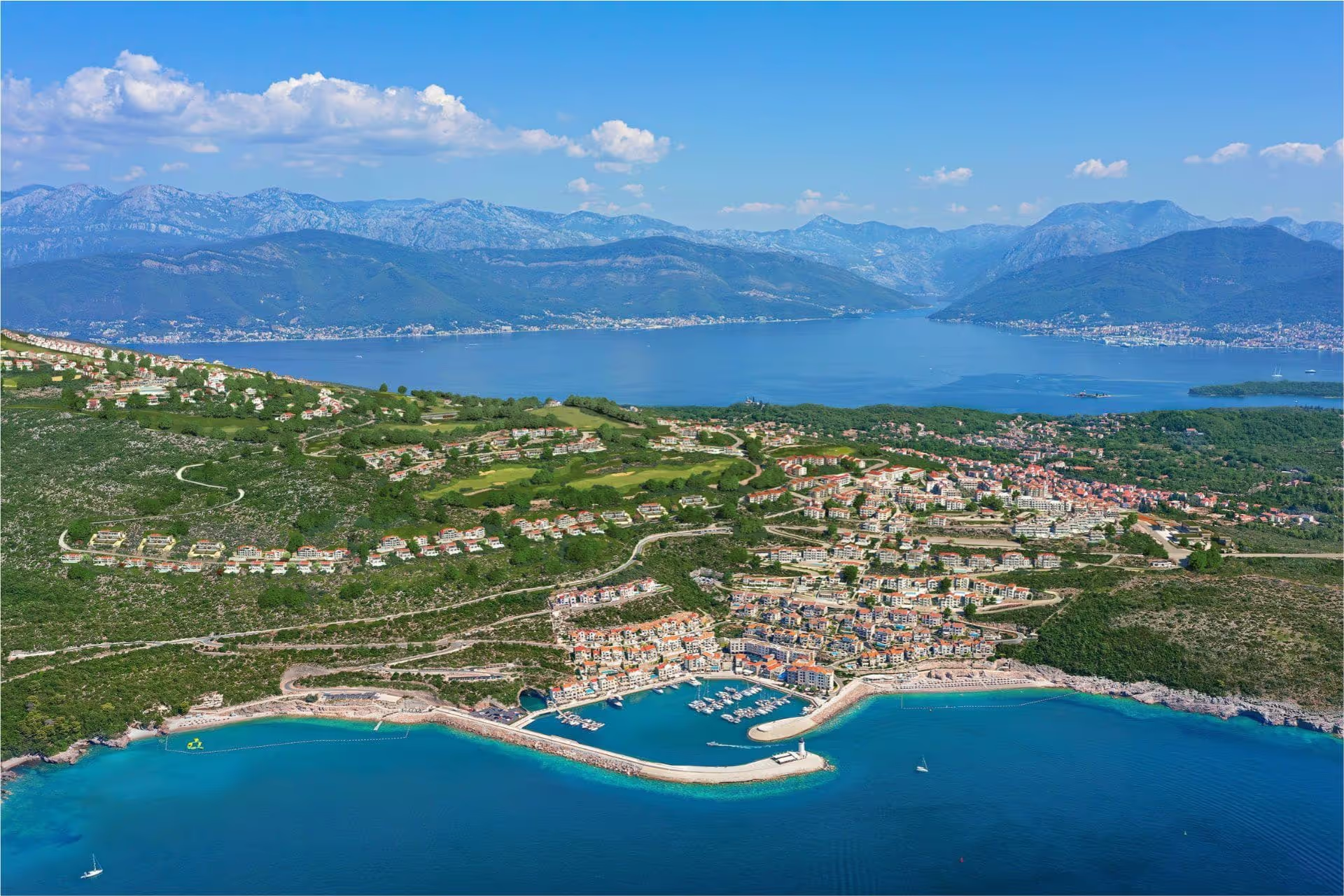
Entdecke Lustica
Erfahren Sie mehr über das Leben auf Lustica: Dinge zu tun und zu sehen in Lustica
Häufig gestellte Fragen

Nach dem Kauf und der Registrierung erhalten Sie die Schlüssel und nehmen sie in Besitz. Zu den nächsten Schritten gehören die Übertragung der Nebenkosten auf Ihren Namen, die Einrichtung der Zahlungen für das Gebäudemanagement, falls es sich um eine Wohnung handelt, der Abschluss einer Hausratversicherung und — falls Sie die Wohnung vermieten — die Registrierung für die Kurtaxe und das Einholen aller erforderlichen Genehmigungen. Ihr Anwalt oder Bevollmächtigter kann Sie durch die administrativen Aspekte führen.
Mieteinnahmen werden mit 15% auf die Bruttoeinnahmen besteuert, wenn Sie kurzfristig vermieten (Touristenvermietungen), oder Sie können sich für eine Besteuerung des Nettoeinkommens nach Abzug der Ausgaben für Langzeitmieten entscheiden. Sie zahlen außerdem die kommunale Kurtaxe (1€ pro Nacht und Gast in der Hochsaison, 0,50€ in der Nebensaison) und müssen Ihre Vermietung bei den Steuerbehörden und der Tourismusbehörde registrieren.
Die jährliche Grundsteuer ist ziemlich niedrig — nur 0,25% des geschätzten Immobilienwerts pro Jahr. Der Schätzwert liegt in der Regel weit unter dem Marktwert, sodass Sie für eine Wohnung an der Küste im Wert von 200.000€ möglicherweise 200-500 € jährlich zahlen. Es wird von Ihrer Gemeinde erhoben und gehört zu den günstigeren laufenden Kosten in Montenegro.
Die Notargebühren richten sich nach dem offiziellen Tarif und richten sich nach Ihrem Kaufpreis. Bei den meisten Wohnimmobilien müssen Sie mit 350 bis 1.000€ zuzüglich 21% Mehrwertsteuer rechnen — also insgesamt etwa 423-1.210 €. Für eine Immobilie im Wert von 250.000€ fallen Grundgebühren in Höhe von etwa 532€ an. Außerdem fallen geringe Gebühren für das Kopieren von Dokumenten und die administrative Ablage an, sodass Ihre endgültige Notarrechnung möglicherweise etwas höher ausfällt.
Für Wiederverkaufsimmobilien zahlen Sie 3% Grunderwerbsteuer (RETT) auf den Kaufpreis. Für Neubauten von Entwicklern wird für die RETT kein Steuersatz erhoben, aber sie enthalten 21% Mehrwertsteuer im Preis — obwohl Entwickler diese Mehrwertsteuer in der Regel zurückfordern können. In jedem Fall sollten Sie etwa 3% des Kaufpreises für die Transfersteuer einplanen, es sei denn, es handelt sich um einen Neubau, bei dem die Mehrwertsteuer bereits enthalten ist.
Der Notar erhält oder verwahrt das Geld nicht direkt. Stattdessen muss der Verkäufer dem Notar schriftlich bestätigen, dass er den vollen Kaufpreis erhalten hat. Erst nachdem der Notar diese schriftliche Bestätigung erhalten hat (und überprüft hat, dass die Steuerpflichten eingehalten werden), wird er die Clausula Intabulandi ausstellen. Bei einigen Transaktionen werden aus Sicherheitsgründen Bankbestätigungen verwendet.
Ja, wenn Sie verheiratet sind oder in einer eingetragenen Partnerschaft leben, benötigen Sie in der Regel die schriftliche Zustimmung Ihres Ehepartners oder Partners, um Immobilien in Montenegro zu verkaufen, auch wenn die Immobilie ausschließlich in Ihrem Namen registriert ist. Dies schützt die Interessen beider Parteien gemäß den Vorschriften über das eheliche Vermögen. Ihr Notar wird die spezifischen Anforderungen für Ihre Situation bestätigen.
Die Clausula Intabulandi ist die offizielle Bestätigung des Notars, dass alle rechtlichen und finanziellen Verpflichtungen erfüllt wurden, sodass die Immobilie in Ihrem Namen registriert werden kann. Der Notar stellt es erst aus, nachdem bestätigt wurde, dass Sie den vollen Preis und alle Steuern bezahlt haben. Es ist Ihr grünes Licht für die Katasterregistrierung — ohne es können Sie nicht der rechtmäßige Eigentümer werden.
Jede Immobilie und jeder Eigentümer hat bestimmte Nummern, die auf Verträgen erscheinen: Ihre JMBG (persönliche ID), die JMBG- oder Firmenregistrierung des Verkäufers und die Katasternummer der Immobilie (katastarska parcela/čestica). Diese verbinden alles, was in den offiziellen Registern steht, und sind für Registrierungs- und Steuerzwecke unerlässlich.
Nein, Montenegro hat kein Titelversicherungssystem wie die USA oder Großbritannien. Stattdessen verlassen sich Käufer auf eine umfassende rechtliche Sorgfaltspflicht. Ihr Anwalt oder Notar überprüft das Kataster, die Besitzverhältnisse, die Belastungen und Genehmigungen, bevor Sie sich verpflichten. Es ist ein anderes System, aber bei ordnungsgemäßer Überprüfung ist es genauso sicher.
Das hängt davon ab, wo Ihre Dokumente ausgestellt wurden. Wenn Sie aus einem Land der Haager Konvention stammen (zu dem die meisten westlichen Länder gehören), benötigen Sie eine Apostille. Wenn nicht, müssen Ihre Dokumente konsularisch beglaubigt werden. In jedem Fall benötigen sie außerdem eine beglaubigte Übersetzung durch einen vereidigten Gerichtsübersetzer in Montenegro.
Ihr Anwalt verlangt einen offiziellen Auszug (List nepokretnosti) aus dem Immobilienkataster, aus dem das aktuelle Eigentum, etwaige Hypotheken oder Pfandrechte, Grundstücksgrenzen und die rechtliche Beschreibung hervorgehen. Der Notar überprüft auch die Identität und Rechtsfähigkeit des Verkäufers. Diese Sorgfaltspflicht dauert in der Regel einige Tage und kostet etwa 18-25 € für den Katasterauszug.
Sie erhalten ein JMBG bei der örtlichen Polizeidirektion (MUP), indem Sie Ihren Reisepass und den Eigentumsnachweis vorlegen und einen einfachen Antrag ausfüllen. Das Verfahren dauert in der Regel einige Tage, und Sie benötigen diese Nummer für Steuererklärungen und die Registrierung von Immobilien — auch ohne Wohnsitz.
Bei einer unkomplizierten Wiederverkaufswohnung mit sauberem Papierkram kann der Kaufvorgang oft innerhalb von 3-6 Wochen abgeschlossen werden. Komplexere Transaktionen, Neubauten oder hypothekenfinanzierte Käufe können länger dauern.
Einige Banken vergeben Kredite an Ausländer, aber die Bedingungen sind strenger — niedrigeres Verhältnis von Krediten zu Wert und strengere Einkommensanforderungen. Viele ausländische Käufer finanzieren über ihr Heimatland oder zahlen bar.
Offiziell ist alles in Euro. Sie können vor dem Versand von Ihrer Heimatwährung aus umrechnen oder in einigen Fällen mit Kryptowährung abrechnen, wenn beide Parteien und der Notar damit einverstanden sind. Der Vertragspreis und die Steuern basieren jedoch immer auf Euro.
Neben dem Kaufpreis und der Grunderwerbsteuer, dem Budget für Notargebühren, Übersetzungen, Anwaltskosten und möglicherweise Agenturgebühren — zusammen summieren sich diese Kosten in der Regel auf 2-4% Ihrer Gesamtkosten.
Nein. Die meisten ausländischen Käufer verwenden eine Vollmacht, um jemanden hier — Ihren Anwalt, NT Realty oder einen anderen vertrauenswürdigen Vertreter — zu ermächtigen, in Ihrem Namen zu unterzeichnen.
Gemäß Vereinbarung zahlt der Käufer in der Regel sowohl die Notargebühren als auch die Gebühren für den vereidigten Gerichtsübersetzer, obwohl dies zwischen den Parteien ausgehandelt werden kann.
Ja, und es ist einfacher als die meisten Leute erwarten. In Montenegro sind ausländische Käufer — sowohl aus der EU als auch aus Ländern außerhalb der EU — willkommen. In den meisten Fällen können Sie Immobilien in Ihrem eigenen Namen besitzen, ohne dass Sie einen Wohnsitz oder eine lokale Firma benötigen.
Haftungsausschluss: Kaufkosten und Richtigkeit der Informationen
Alle mit dem Kauf verbundenen Kosten, einschließlich Notargebühren, Grunderwerbsteuer (falls zutreffend) und etwaige Anwaltskosten, liegen in der alleinigen Verantwortung des Käufers. ntRealty übernimmt keine Verantwortung für die Richtigkeit der hier veröffentlichten Informationen, die ausschließlich auf den Angaben basieren, die uns von den Eigentümern zur Verfügung gestellt wurden. ntRealty ist nicht verpflichtet, diese Liste zu aktualisieren, zu ändern oder zu ergänzen oder einen Leser über Informationen zu informieren, einschließlich städtebaulicher oder kadentechnischer Informationen Astraldaten werden anschließend ungenau. Alle Angebote unterliegen einem Zwischenverkauf. Agenturprovision: Dem Käufer wird keine Agenturprovision in Rechnung gestellt. Die Agenturgebühr wird vom Verkäufer bezahlt.
Verwandte Eigenschaften
Erhalten Sie Immobilien-Updates für Montenegro direkt in Ihren Posteingang.
Interessieren Sie sich für den Kauf eines Eigenheims? Suchen Sie nicht weiter, als mit unseren Immobilienexperten zusammenzuarbeiten.