


Zweizimmerwohnung mit Meer- und Bergblick sowie Dachterrasse in Orahovac zu verkaufen
232.000 €

Maša Flynn
Funktionen
Explore in 3D
Guided Video Tour
In Brief
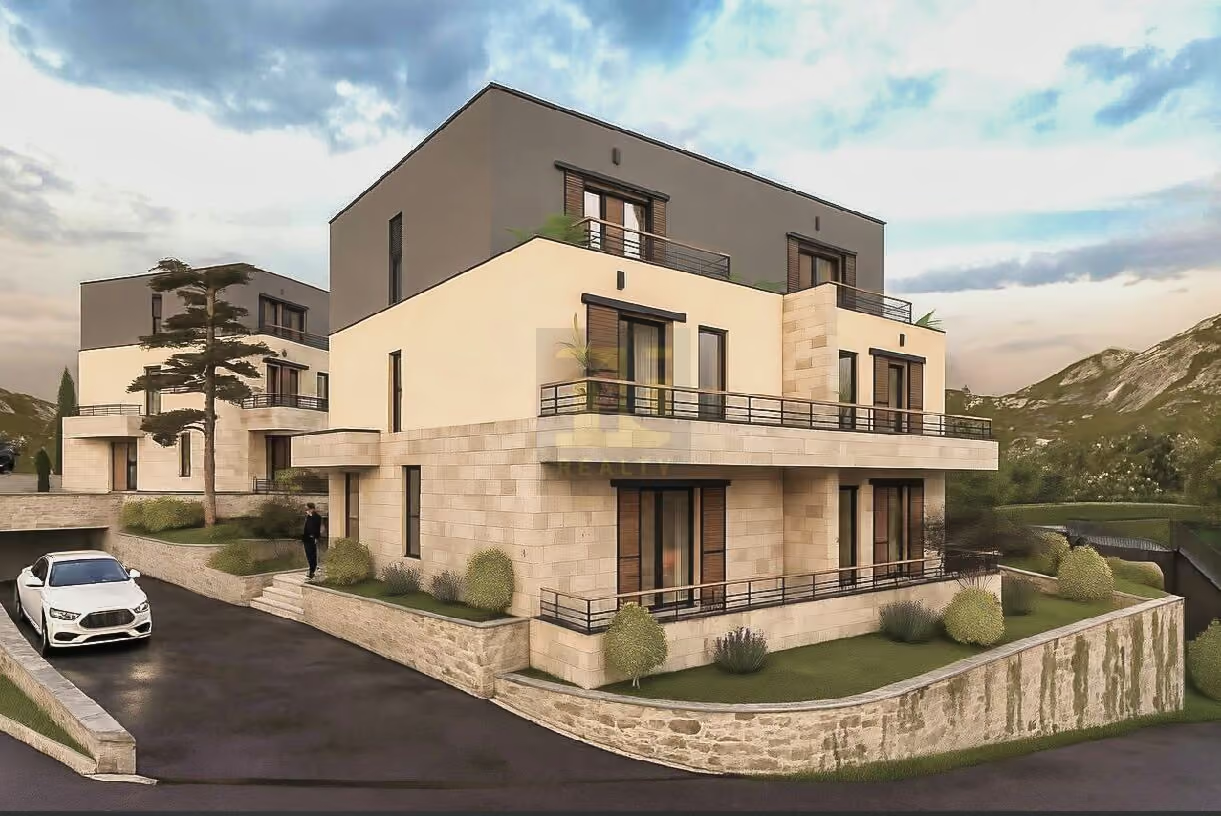
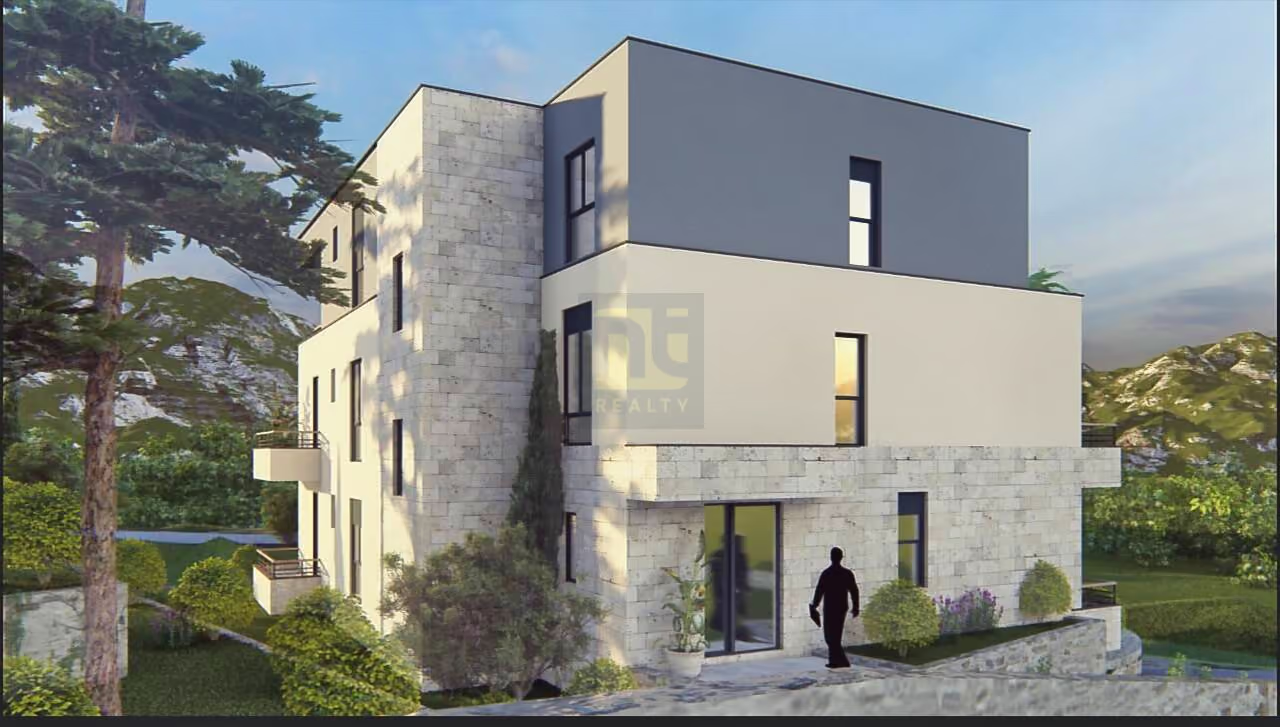
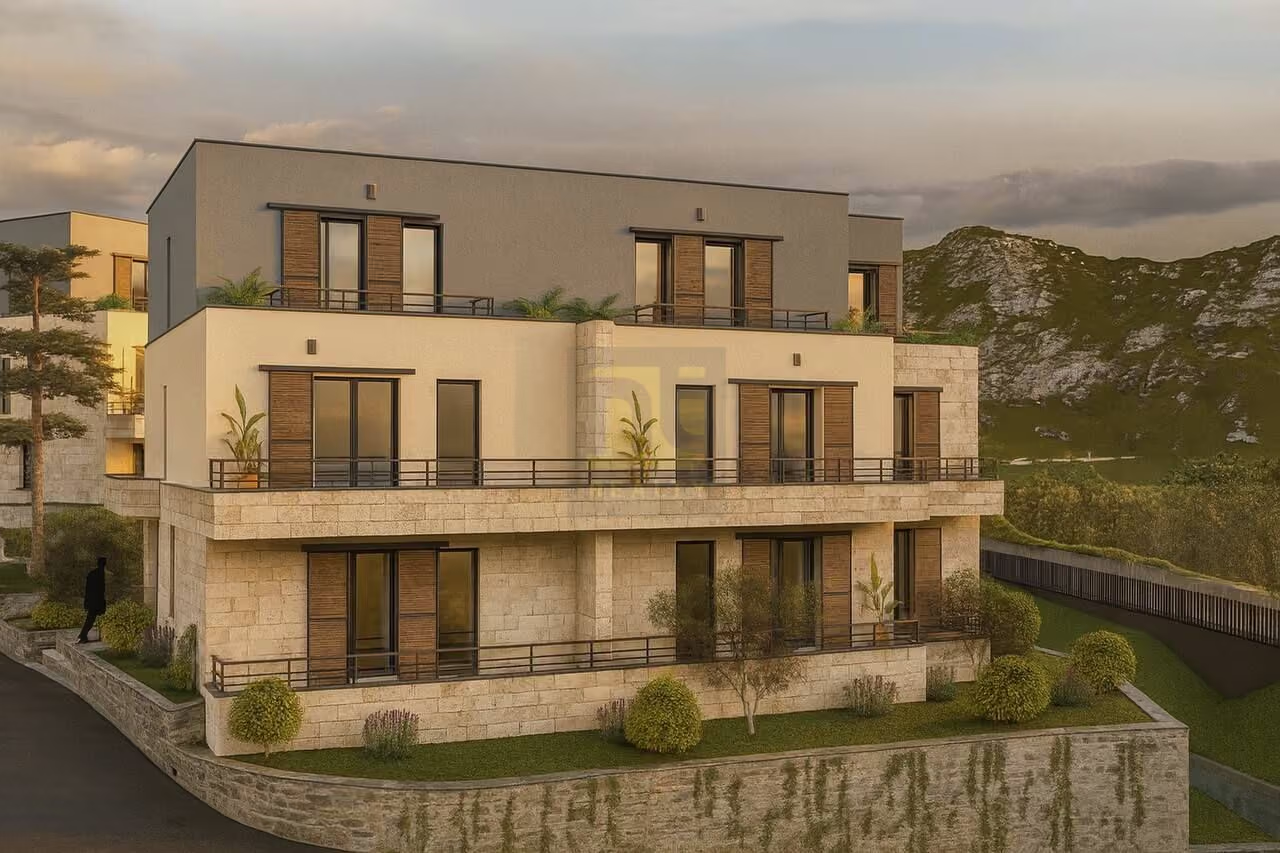
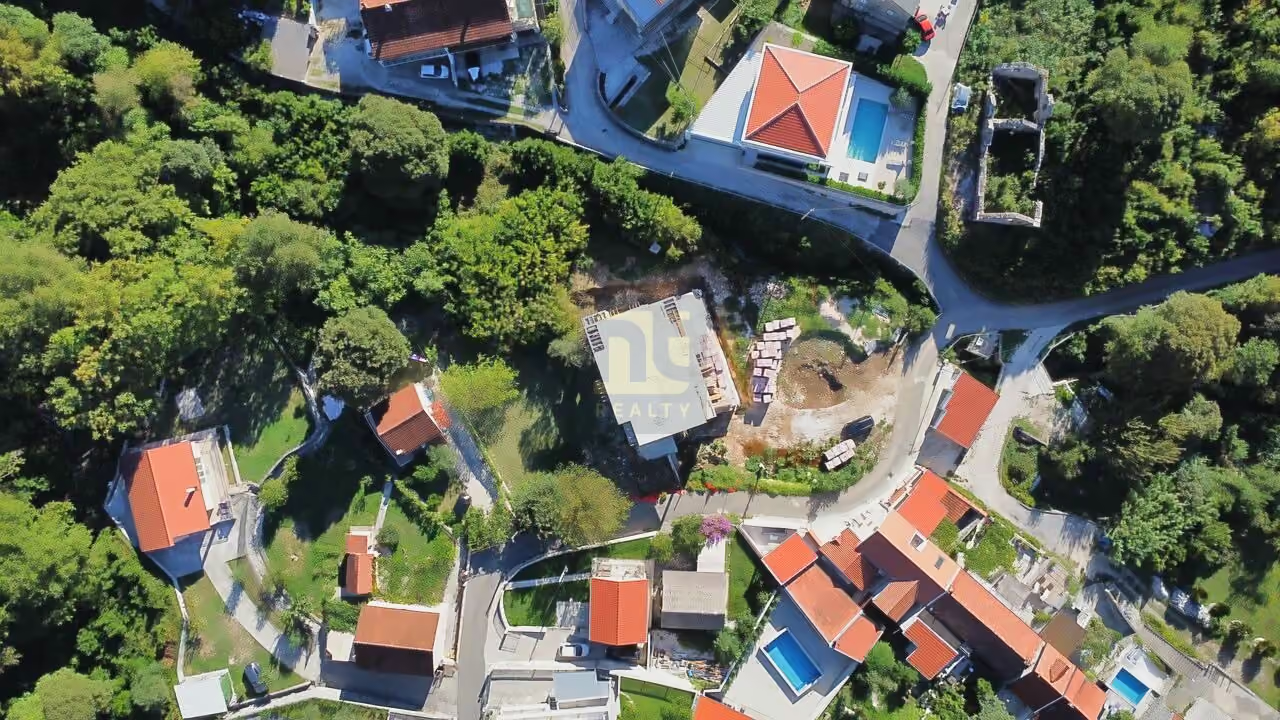
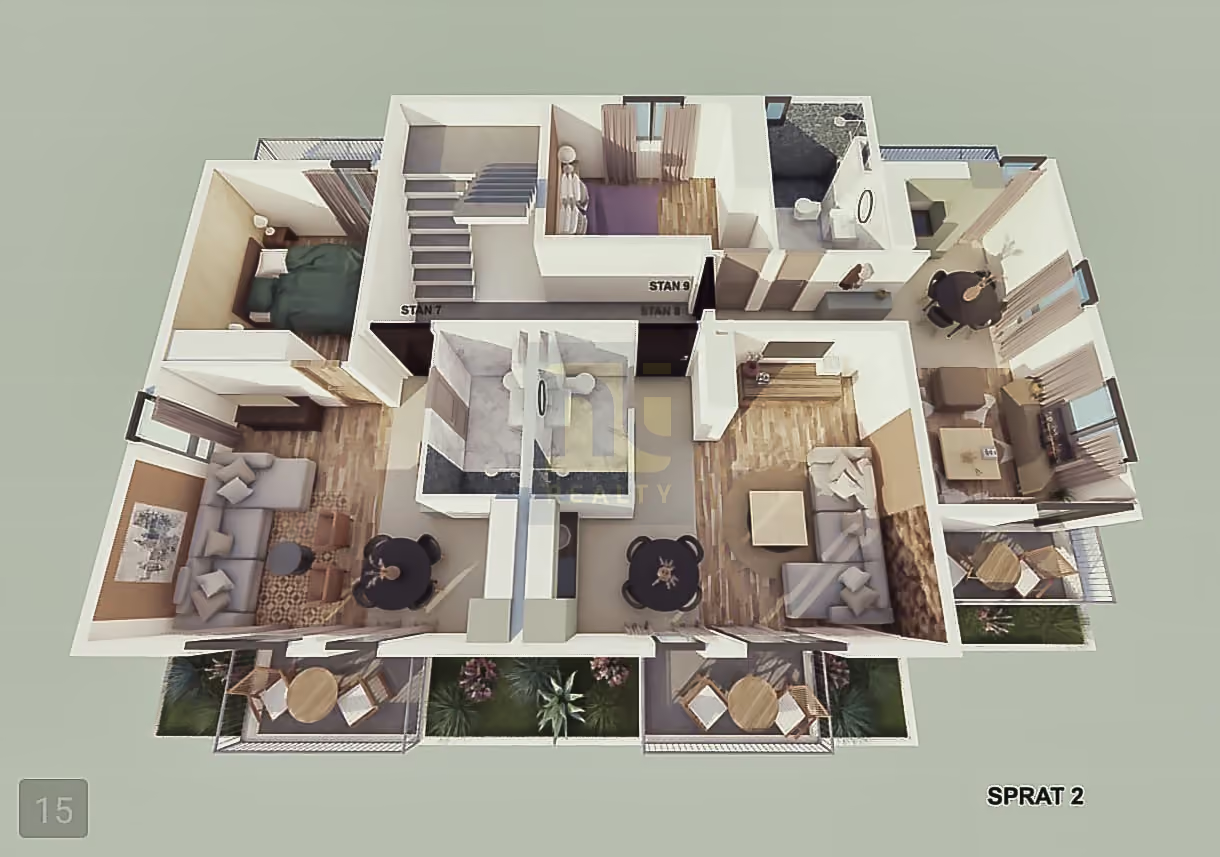
Ein exklusives Wohnprojekt mit nur neun Apartments auf drei Etagen in Orahovac, am Nordufer der Bucht von Kotor – etwa 200 m vom Wasser entfernt, an einem der saubersten Badeabschnitte der gesamten Bucht. Das umzäunte Gelände bietet einen Gemeinschaftspool, Garagen, Stellplätze und eine gepflegte Gartenanlage.
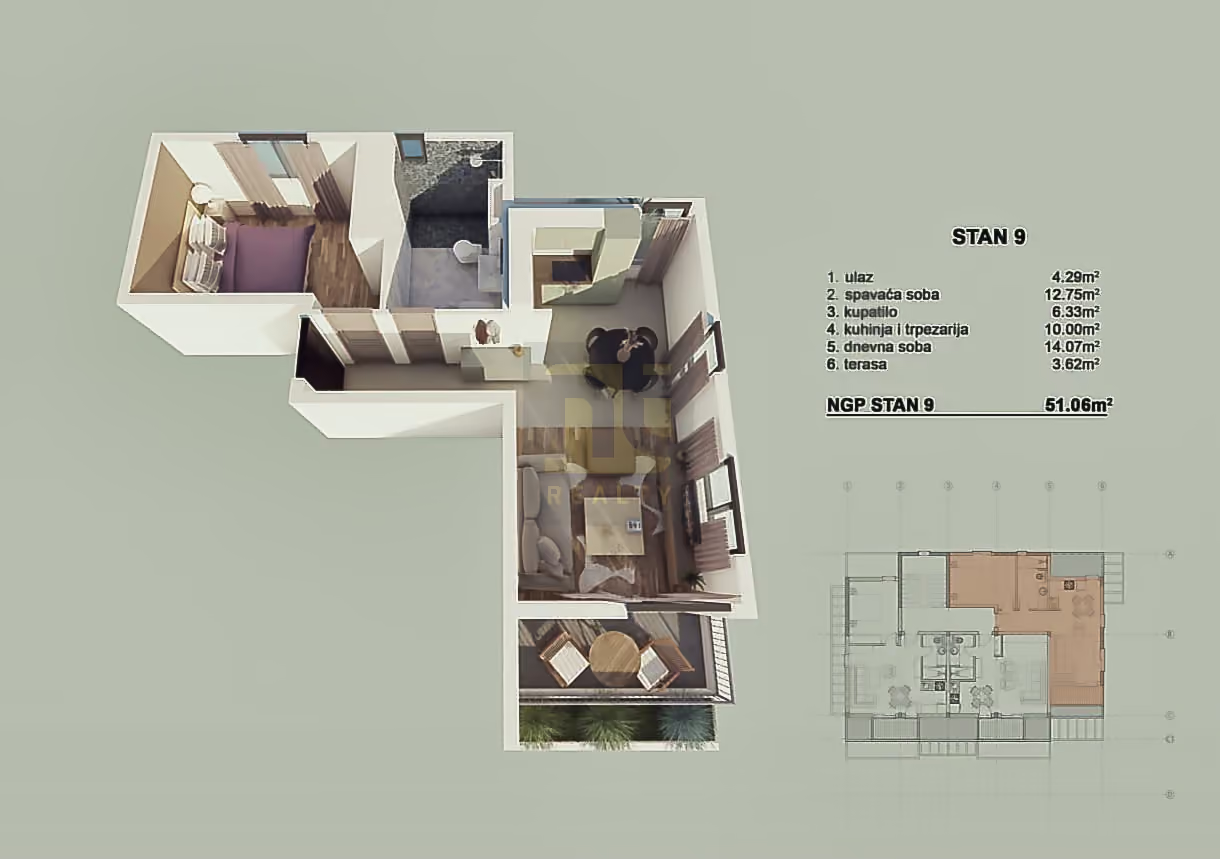
Das Flaggschiff-Apartment im obersten Stockwerk: zwei Schlafzimmer, ein Badezimmer, 51,06 m² Wohnfläche, dazu eine 7,00 m² große grüne Terrasse und eine exklusiv nutzbare Dachterrasse von ca. 51,06 m² mit Meer- und Bergblick in Tri Oraha, Orahovac. Die größte Apartment-Dachterrasse-Kombination der Anlage. Gemeinschaftspool, umzäuntes Gelände. Ca. 200 m zu einem der klarsten Badeplätze der Bucht von Kotor; Kotor ca. 9 km / ca. 15 Min. Garage für 25.000 € oder Außenstellplatz für 8.000 € verfügbar. Fertigstellung Dezember 2026. 232.000 €.
Beschreibung
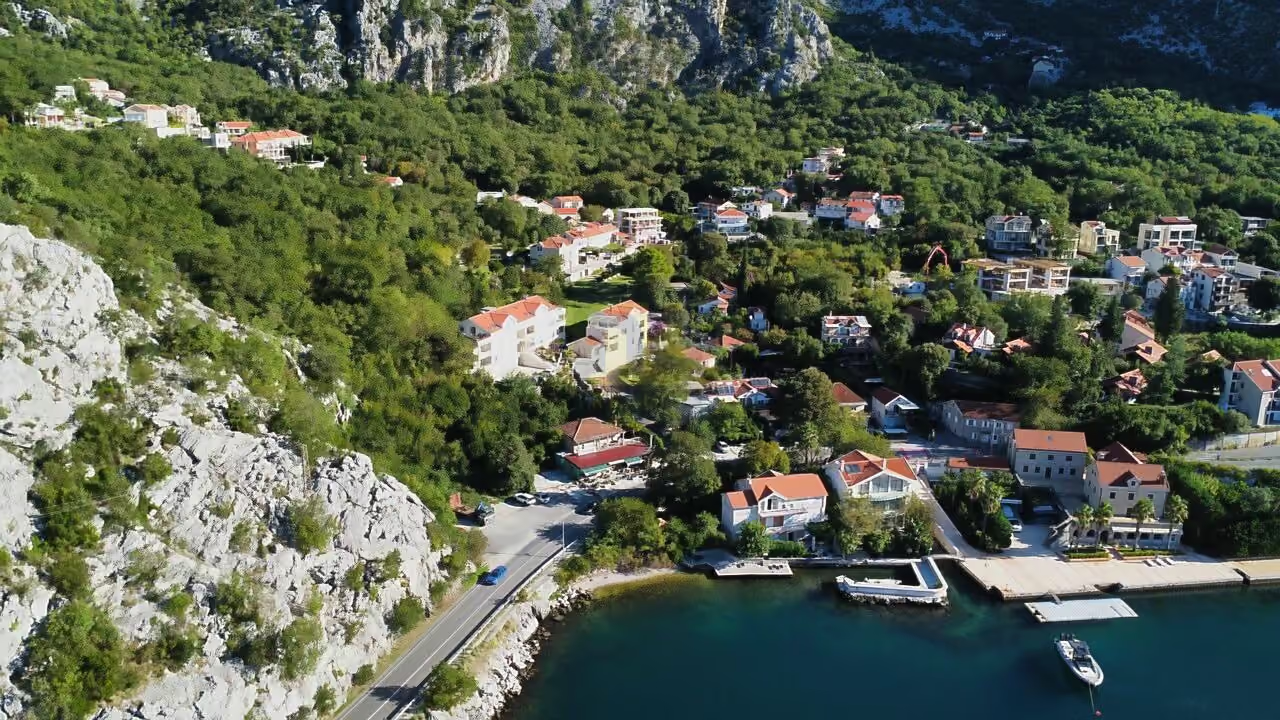
Orahovac ist das Dorf an der Bucht von Kotor, das Kenner der Region zum Schwimmen aufsuchen. Es liegt am Nordufer, an der malerischen Küstenstraße zwischen Kotor, Perast und Risan, getrennt von Dobrota durch den Fluss Ljuta und seine kalten Süßwasserquellen. Das Wasser ist hier tief und glasklar. Da Orahovac an einer seltenen Ausbuchtung der Küste liegt, die nicht im Schatten des Berges Vrmac liegt, bleibt die Sonne hier bis in den späten Abend hinein, lange nachdem es in Kotor und Prčanj bereits dunkel geworden ist. Es gilt allgemein als einer der besten Badeorte in der gesamten Bucht von Kotor.
Orahovac bietet mehr als nur eine Aussicht – es bietet eine Lebensart. Es ist ein kleines, ruhiges Dorf mit Steinhaus-Charakter, Zitronen- und Orangenbäumen, familiengeführten Konobas am Wasser und einer stolzen Fischereitradition. Die Morgen beginnen mit Vogelgezwitscher und dem Glitzern des Wassers; die Tage werden vom Strand, dem Pool und dem kurzen Spaziergang zum Restaurant am Wasser bestimmt; die Abende enden mit der langen goldenen Stunde, die nur dieser Küstenabschnitt genießt, und einem Teller fangfrischem Fisch. Es ist das Leben am Meer in menschlichem Tempo – der Ort, an dem man einen ersten Sommer verbringt und leise anfängt, nach Wegen zu suchen, um für immer zu bleiben.
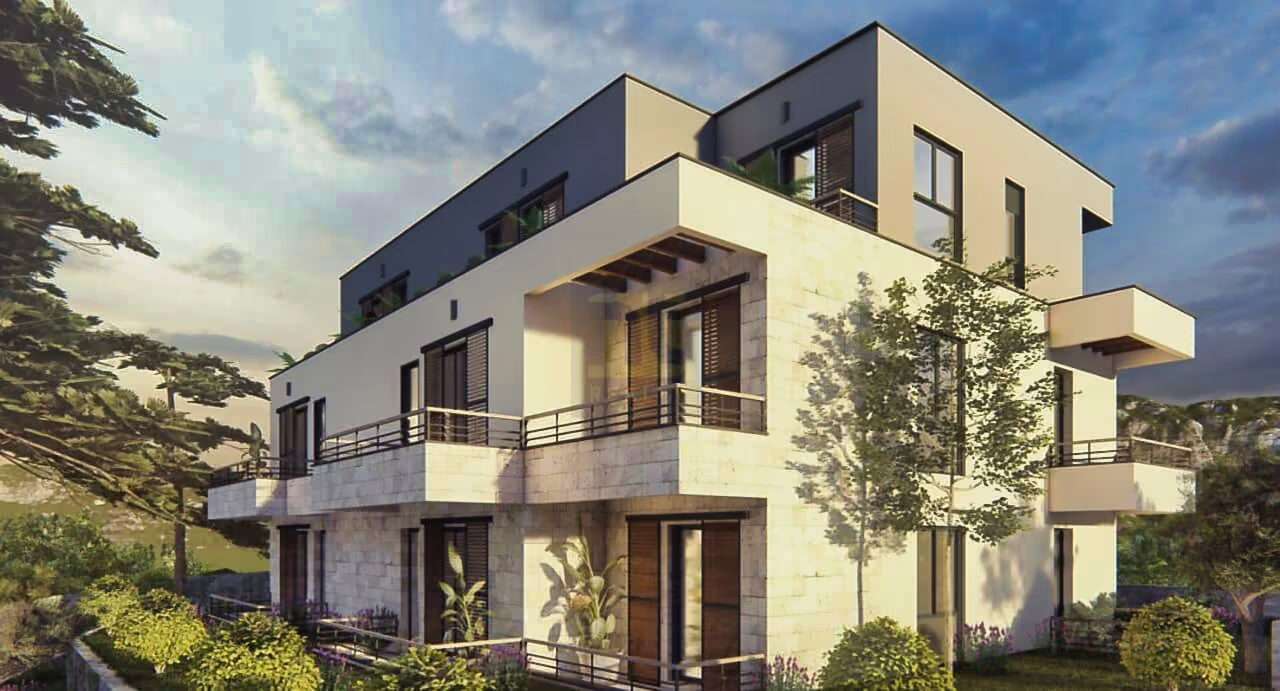
Tri Oraha – „drei Walnüsse“, eine Anspielung auf den Dorfnamen, der von orah, der Walnuss, stammt – fügt sich harmonisch in die Umgebung ein, anstatt sie zu dominieren. Neun Apartments auf drei Etagen bedeuten eine bewusst niedrige Bebauungsdichte: keine Hochhäuser, keine Enge, dafür ein Gemeinschaftspool und eine gepflegte Anlage hinter einem gesicherten Eingang. Der Kiesstrand und die Konobas, die das Dorfleben prägen, sind nur einen kurzen, ebenen Fußweg entfernt, während die Annehmlichkeiten von Dobrota und Kotor schnell mit dem Auto erreichbar sind.
Das Herzstück der Anlage. Im obersten Stockwerk befinden sich 51,06 m² Wohnfläche mit zwei Schlafzimmern und eine 7,00 m² große grüne Terrasse unter einer privaten, exklusiv nutzbaren Dachterrasse von ca. 51,06 m² – eine zweite, gleich große Außenfläche am höchsten Punkt des Gebäudes. Dies ist kein gewöhnlicher Balkon; es ist ein Außenraum in der Größe des Apartments, mit freiem Blick auf die Bucht in der einen und die Berge in der anderen Richtung. Hier genießen Sie die lange Abendsonne von Orahovac, die der Rest der Bucht Stunden früher verliert. Es ist die größte Apartment-Dachterrasse-Kombination in Tri Oraha und das natürliche Flaggschiff des Projekts.
Ideal für eine Familie oder ein Paar, für die die Dachterrasse das Highlight ist: Platz zum Essen, Entspannen und Gärtnern mit Blick auf die Bucht, die weiteste Aussicht im Gebäude und zwei Schlafzimmer als perfekte Ergänzung. Das attraktivste Angebot für Kurzzeitvermietungen in der Anlage – oberste Etage, größte Dachterrasse, doppelter Ausblick, in einem Dorf, für das Menschen extra die Bucht überqueren, um dort zu schwimmen.
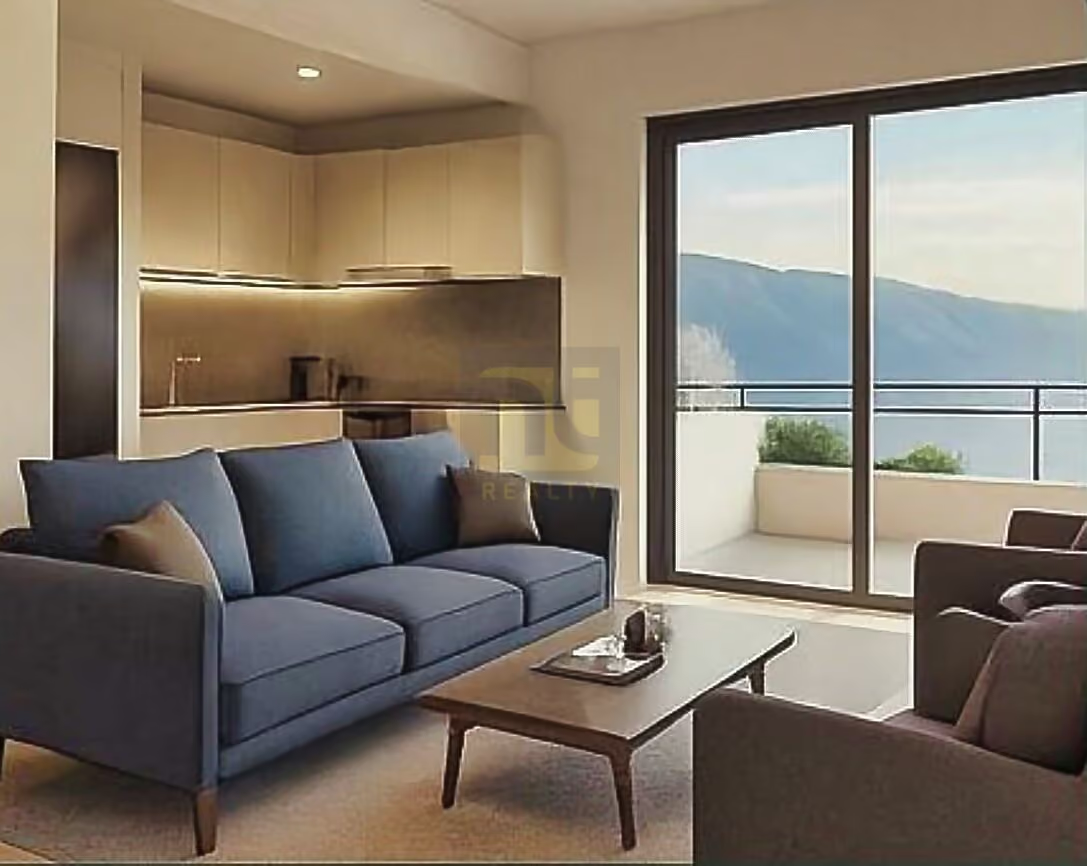
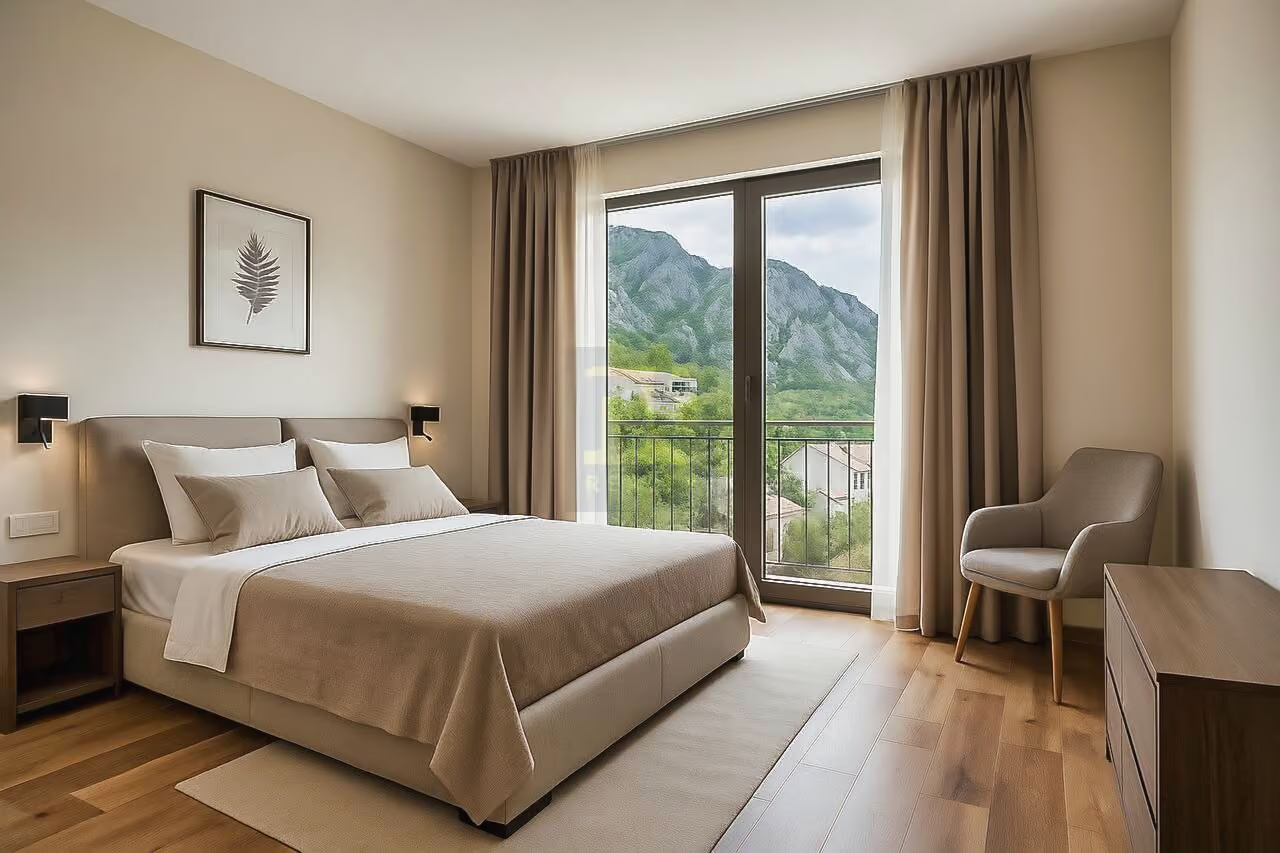
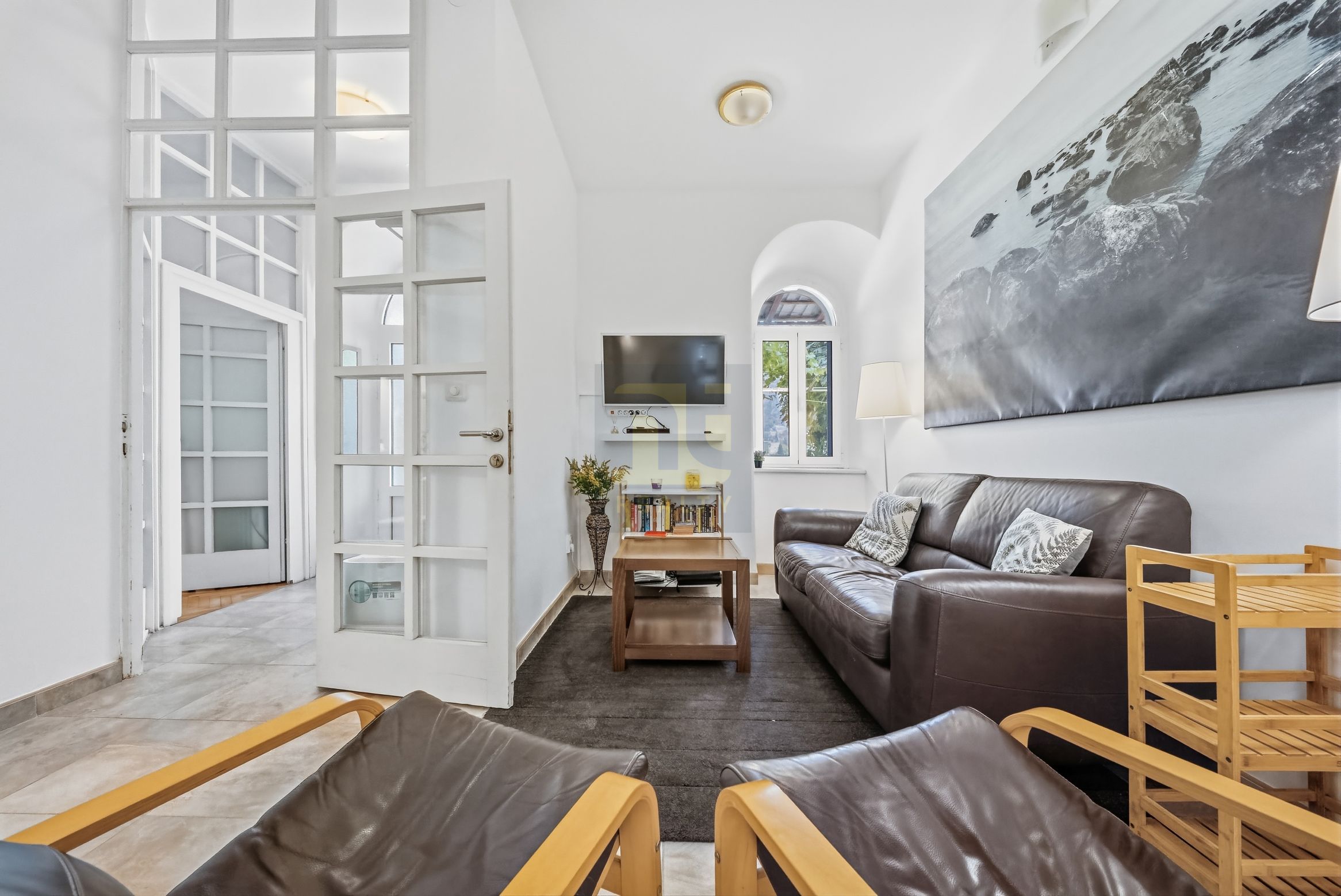
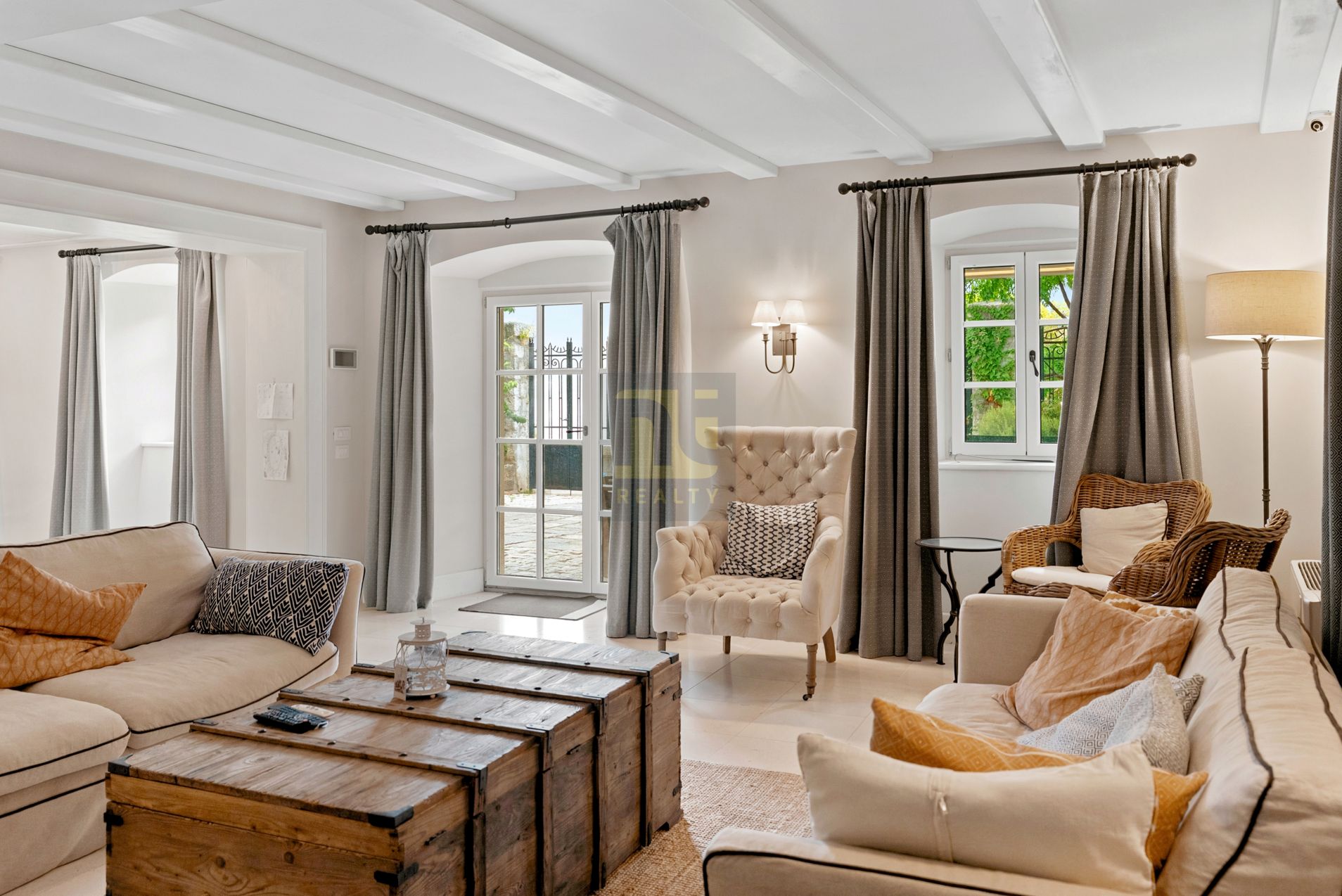
Gemeinschaftspool, umzäuntes Gelände; Parkmöglichkeiten optional (Garage 25.000 €, Außenstellplatz 8.000 €, solange der Vorrat reicht). Direkt vom Bauträger, inklusive rechtlicher und notarieller Unterstützung; Fertigstellung Dezember 2026. Die Innenaufnahmen sind Visualisierungen des Bauträgers.
Hauptmerkmale
- Neun Apartments auf drei Etagen – Wohnanlage mit geringer Bebauungsdichte
- Umzäuntes Gelände, Gemeinschaftspool, gepflegte Gartenanlage
- Ca. 200 m zum Strand von Orahovac – eines der klarsten Gewässer und besten Badegebiete in der Bucht von Kotor
- Optionales Mietverwaltungsprogramm
- Direktkauf vom Bauträger
- Dachgeschosswohnung mit zwei Schlafzimmern und einem Bad, 51,06 m² Wohnfläche – die größte auf dieser Etage
- 7,00 m² grüne Terrasse sowie eine exklusiv nutzbare Dachterrasse von ca. 51,06 m²
- Meer- und Bergblick
- Gemeinschaftspool; geschlossene Wohnanlage
- Garagenstellplatz (25.000 €) oder Außenstellplatz (8.000 €) optional erhältlich
- Im Bau – Fertigstellung Dezember 2026
Ehrliche Einschätzung vom Makler
Wenn Apartment 6 das beste Interieur der Anlage hat, dann ist dies das beste Angebot. Eine Dachgeschosswohnung mit zwei Schlafzimmern, einer privaten Dachterrasse in der Größe der Wohnung, doppeltem Ausblick und dem besten Lichteinfall in der Bucht – das ist die Art von Immobilie, die ein Objekt auszeichnet. Mit 232.000 € liegt sie zudem 4.000 € unter dem Preis des Flaggschiffs im zweiten Stock. Die Frage ist nicht, ob es eine gute Wohnung ist, sondern ob Sie lieber drinnen oder draußen leben möchten. Diese hier ist für Liebhaber des Lebens im Freien. Sichern Sie sich einen Parkplatz, solange noch welche verfügbar sind – das ist die Wohnung, die ich den meisten Käufern zuerst empfehlen würde.
Leben in Orahovac
Orahovac liegt am nördlichen Ufer der Bucht von Kotor, an der Küstenstraße zwischen Kotor, Perast und Risan. Vom südlich gelegenen Dobrota ist es durch den Fluss Ljuta und seine kalten Süßwasserquellen getrennt. Es ist ein traditionelles Fischer- und Seefahrerdorf – mit Steinhäusern, die zum Wasser hin abfallen, Zitrusbäumen in den Gärten und einer stolzen maritimen Geschichte. Orahovac hat sich den Charakter bewahrt, den viele andere Orte in der Bucht bereits verloren haben. Hier gibt es keine Resort-Infrastruktur, keine Souvenirpromenaden und keinen Sommertrubel. Was es gibt, ist einer der schönsten Orte zum Leben direkt am Wasser in der gesamten Boka.
Das Wasser ist das Herzstück des Ortes. Orahovac ist seit Langem für das klarste Wasser in der Bucht von Kotor bekannt – tief, kühl und bemerkenswert transparent über dem Kiesstrand. Da das Dorf an einer seltenen Ausbuchtung der Küste liegt, die dem Schatten des Berges Vrmac entgeht, genießt der nach Westen ausgerichtete Strand die Sonne deutlich länger als Kotor oder Prčanj, die bereits am späten Nachmittag im Schatten liegen. Es ist der Strand für die „Goldene Stunde“: ein Ort für das morgendliche Schwimmen, bevor die Boote kommen, ein langes Mittagessen am Wasser und ein letztes Bad, während das Licht über Luštica kupferfarben leuchtet. Einheimische und Kenner der Bucht kommen hierher zum Schwimmen; es gilt allgemein als einer der besten Badeplätze in der Boka.
Das Leben folgt dem Rhythmus des Wassers und der Jahreszeiten. Die Dinge des täglichen Bedarfs finden sich im Dorf oder sind bei einem kurzen Spaziergang entlang der Küste erreichbar. Für den Wocheneinkauf, die Apotheke, die Schule oder das Krankenhaus sind es nur wenige Autominuten in Richtung Süden nach Dobrota oder Kotor. Es ist ruhig, ohne isoliert zu sein, schön, ohne poliert zu wirken – und mit der UNESCO-Altstadt in 15 Minuten in der einen und Perast in 5 Minuten in der anderen Richtung ist man nie weit vom Rest der Bucht entfernt, wenn man es möchte.
Lokale Annehmlichkeiten
Das tägliche Leben in Orahovac spielt sich an der Uferpromenade und den dortigen Geschäften und Konobas ab; die umfassenderen Angebote von Dobrota und Kotor sind nur wenige Autominuten in südlicher Richtung entfernt.
Zu Fuß — Dorf Orahovac und Uferpromenade
- Strand von Orahovac — ~200 m / ~3 Min. Ein langer Kiesstrand mit tiefem, außergewöhnlich klarem Wasser, Stegen und Leitern für den Einstieg. Dank seiner Ausrichtung nach Westen bietet er die längste Sonneneinstrahlung aller Strände in der inneren Bucht. Der Zugang ist öffentlich und kostenlos; das Schwimmen hier ist für viele der Hauptgrund, Orahovac zu besuchen.
- Market Njive — ~450 m / ~6 Min. Der Dorfladen, und zwar ein guter: frisches Obst und Gemüse, frisch gebackenes Brot und Gebäck, Käse, Aufschnitt und Dinge des täglichen Bedarfs, geführt von einem freundlichen Inhaber (nur Barzahlung). Für den täglichen Bedarf spart er die Fahrt; für einen größeren Einkauf ist Dobrota nur wenige Minuten südlich entfernt.
- Restaurant Veranda — ~200 m. 4,6 Sterne bei über 1.180 Bewertungen. Das wichtigste Restaurant des Dorfes: eine erstklassige Fischküche – Muscheln, Garnelen-Risotto, gefüllter Tintenfisch, gegrillter Fisch und Platten – zu fairen Preisen, mit eigenem Parkplatz. Die Art von beständigem, gut geführtem Lokal, das schnell zum Stammlokal wird.
- Grota Beach Bar & Restaurant — Uferpromenade. 4,4 Sterne bei über 530 Bewertungen. Eine Strandbar mit Restaurant, die von Stammgästen als der Ort mit der schönsten Aussicht in der Bucht bezeichnet wird; Oktopus und schwarzes Risotto, kühle Getränke direkt am Kiesstrand und eine entspannte, nicht touristische Atmosphäre.
- Restaurant Casa del Mare — Uferpromenade. 4,4 Sterne. Eine Terrasse direkt am Meer, den ganzen Tag geöffnet und sowohl für ein ausgiebiges Frühstück über dem Wasser als auch für das Abendessen sehr beliebt.
- Fluss & Quellen von Ljuta — südlicher Dorfrand. Kalte Süßwasserquellen, die einen Großteil dieses Küstenabschnitts versorgen, sowie das ruhige, grüne Ende der Uferpromenade.
Eine kurze Fahrt Richtung Süden — Dobrota (~4 km / ~8 Min.)
Hier beginnt das umfassendere Angebot: ein Aroma-Supermarkt und weitere Lebensmittelgeschäfte, Apotheken und das medizinische Zentrum Dom zdravlja, die Bäckerei Sandrela (4,8 Sterne, eine der angesehensten Bäckereien der Bucht) sowie eine Reihe beliebter Restaurants an der Uferpromenade, darunter die Konoba Portun (4,7 Sterne, eine Fisch-Konoba, die bei Einheimischen sehr beliebt ist). Die Altstadt von Kotor mit ihren Märkten, Restaurants und Dienstleistungen ist nur wenige Minuten weiter entfernt.
Schulen
- OŠ Narodni heroj Savo Ilić — staatliche Grundschule, Dobrota. ~7 km / ~12 Min.
- JU Gimnazija Kotor — staatliches Gymnasium, direkt neben der Savo Ilić in Dobrota. ~7 km / ~12 Min.
- Knightsbridge Schools International — Britischer internationaler Lehrplan, Seljanovo / Porto Montenegro, Tivat. ~22 km / ~35 Min.
- Arcadia Academy — internationale Schule, Lješevići, in der Nähe von Tivat. ~25 km / ~40 Min.
Mit dem Auto
- Altstadt von Kotor: ~9 km / ~15 Min.
- Perast (Maria vom Felsen): ~5 km / ~8 Min.
- Risan (Römische Mosaike): ~8 km / ~12 Min.
- Dobrota (Supermarkt, Apotheke, medizinisches Zentrum): ~4 km / ~8 Min.
- Stadtzentrum von Tivat: ~21 km / ~33 Min.
- Porto Montenegro: ~22 km / ~35 Min.
- Flughafen Tivat (TIV): ~19 km / ~30 Min.
- Budva: ~31 km / ~45 Min.
- Flughafen Podgorica (TGD): ~89 km / ~2 Std.
- Flughafen Dubrovnik (DBV): ~63 km / ~1 Std. 30 Min. (Grenzübergang – planen Sie in der Hochsaison zusätzliche Zeit ein)
Öffentliche Verkehrsmittel
Auf der Küstenstraße (E65) verkehren regelmäßig Busse – die „Blue Line“ sowie Regionalbusse –, die Orahovac mit Kotor, Perast, Risan und weiter Richtung Herceg Novi verbinden, mit einer Haltestelle direkt im Ort. Der Busbahnhof von Kotor (~9 km) bedient regionale und internationale Fernbuslinien. Taxis und Fahrdienste (Bolt, Yandex Go) sind im gesamten Gemeindegebiet verfügbar. Der Strand und die Uferpromenade sind fußläufig erreichbar und der Dorfladen deckt den täglichen Bedarf; ein Auto ist für Ziele außerhalb des Dorfes nützlich, wobei der Alltag hier weniger vom Auto abhängig ist als in den höher gelegenen Siedlungen auf der anderen Seite der Bucht.
NT Realty is a boutique real estate agency based in Tivat, Montenegro. Founded by Peter Flynn, who first came to the Bay of Kotor in 2005 as a property investor and has since built businesses across real estate development, architecture, and interior design, the agency is run alongside Maša Flynn — architect and former Head of Design at Porto Montenegro, where she delivered over €60 million of projects on time and on budget. Between them they bring a depth of local market knowledge that is difficult to find elsewhere in the region.
The team specialises in properties for sale and long-term rentals across the Bay of Kotor, Tivat Bay, and the Luštica Peninsula — from Porto Montenegro and Luštica Bay to private homes throughout the wider region. Our job is to guide buyers, sellers, and tenants through the process clearly, honestly, and without unnecessary complexity.
Landkarte
Leitfaden für die Nachbarschaft
Entdecke Kotor
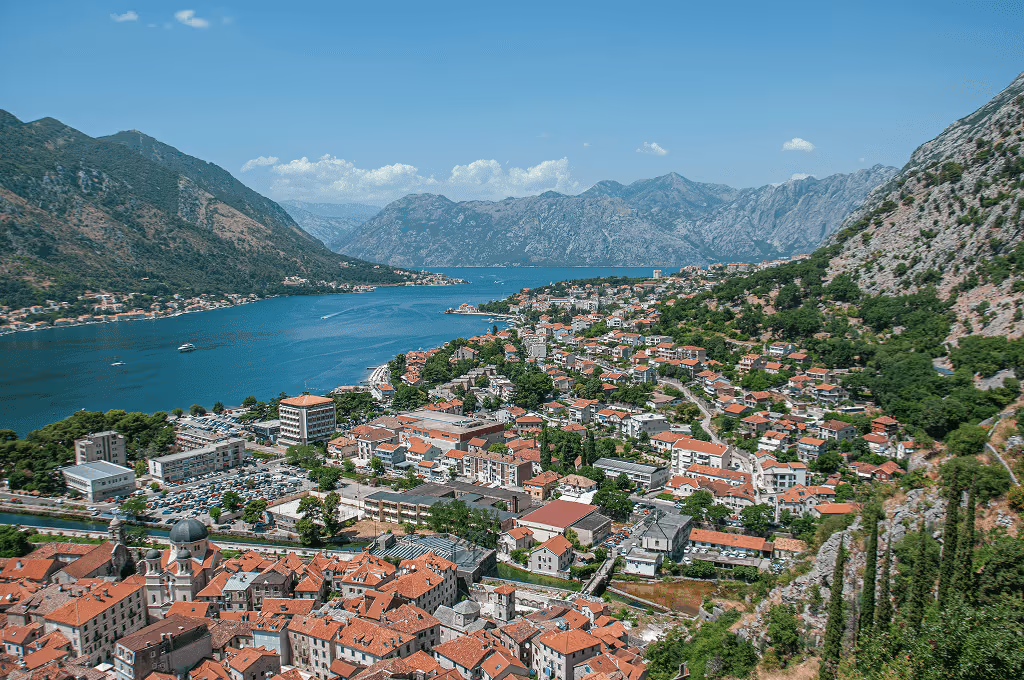
Erfahren Sie mehr über das Leben in Kotor: Aktivitäten und Sehenswürdigkeiten in Kotor
Häufig gestellte Fragen

Nach dem Kauf und der Registrierung erhalten Sie die Schlüssel und nehmen sie in Besitz. Zu den nächsten Schritten gehören die Übertragung der Nebenkosten auf Ihren Namen, die Einrichtung der Zahlungen für das Gebäudemanagement, falls es sich um eine Wohnung handelt, der Abschluss einer Hausratversicherung und — falls Sie die Wohnung vermieten — die Registrierung für die Kurtaxe und das Einholen aller erforderlichen Genehmigungen. Ihr Anwalt oder Bevollmächtigter kann Sie durch die administrativen Aspekte führen.
Mieteinnahmen werden mit 15% auf die Bruttoeinnahmen besteuert, wenn Sie kurzfristig vermieten (Touristenvermietungen), oder Sie können sich für eine Besteuerung des Nettoeinkommens nach Abzug der Ausgaben für Langzeitmieten entscheiden. Sie zahlen außerdem die kommunale Kurtaxe (1€ pro Nacht und Gast in der Hochsaison, 0,50€ in der Nebensaison) und müssen Ihre Vermietung bei den Steuerbehörden und der Tourismusbehörde registrieren.
Die jährliche Grundsteuer ist ziemlich niedrig — nur 0,25% des geschätzten Immobilienwerts pro Jahr. Der Schätzwert liegt in der Regel weit unter dem Marktwert, sodass Sie für eine Wohnung an der Küste im Wert von 200.000€ möglicherweise 200-500 € jährlich zahlen. Es wird von Ihrer Gemeinde erhoben und gehört zu den günstigeren laufenden Kosten in Montenegro.
Die Notargebühren richten sich nach dem offiziellen Tarif und richten sich nach Ihrem Kaufpreis. Bei den meisten Wohnimmobilien müssen Sie mit 350 bis 1.000€ zuzüglich 21% Mehrwertsteuer rechnen — also insgesamt etwa 423-1.210 €. Für eine Immobilie im Wert von 250.000€ fallen Grundgebühren in Höhe von etwa 532€ an. Außerdem fallen geringe Gebühren für das Kopieren von Dokumenten und die administrative Ablage an, sodass Ihre endgültige Notarrechnung möglicherweise etwas höher ausfällt.
Für Wiederverkaufsimmobilien zahlen Sie 3% Grunderwerbsteuer (RETT) auf den Kaufpreis. Für Neubauten von Entwicklern wird für die RETT kein Steuersatz erhoben, aber sie enthalten 21% Mehrwertsteuer im Preis — obwohl Entwickler diese Mehrwertsteuer in der Regel zurückfordern können. In jedem Fall sollten Sie etwa 3% des Kaufpreises für die Transfersteuer einplanen, es sei denn, es handelt sich um einen Neubau, bei dem die Mehrwertsteuer bereits enthalten ist.
Der Notar erhält oder verwahrt das Geld nicht direkt. Stattdessen muss der Verkäufer dem Notar schriftlich bestätigen, dass er den vollen Kaufpreis erhalten hat. Erst nachdem der Notar diese schriftliche Bestätigung erhalten hat (und überprüft hat, dass die Steuerpflichten eingehalten werden), wird er die Clausula Intabulandi ausstellen. Bei einigen Transaktionen werden aus Sicherheitsgründen Bankbestätigungen verwendet.
Ja, wenn Sie verheiratet sind oder in einer eingetragenen Partnerschaft leben, benötigen Sie in der Regel die schriftliche Zustimmung Ihres Ehepartners oder Partners, um Immobilien in Montenegro zu verkaufen, auch wenn die Immobilie ausschließlich in Ihrem Namen registriert ist. Dies schützt die Interessen beider Parteien gemäß den Vorschriften über das eheliche Vermögen. Ihr Notar wird die spezifischen Anforderungen für Ihre Situation bestätigen.
Die Clausula Intabulandi ist die offizielle Bestätigung des Notars, dass alle rechtlichen und finanziellen Verpflichtungen erfüllt wurden, sodass die Immobilie in Ihrem Namen registriert werden kann. Der Notar stellt es erst aus, nachdem bestätigt wurde, dass Sie den vollen Preis und alle Steuern bezahlt haben. Es ist Ihr grünes Licht für die Katasterregistrierung — ohne es können Sie nicht der rechtmäßige Eigentümer werden.
Jede Immobilie und jeder Eigentümer hat bestimmte Nummern, die auf Verträgen erscheinen: Ihre JMBG (persönliche ID), die JMBG- oder Firmenregistrierung des Verkäufers und die Katasternummer der Immobilie (katastarska parcela/čestica). Diese verbinden alles, was in den offiziellen Registern steht, und sind für Registrierungs- und Steuerzwecke unerlässlich.
Nein, Montenegro hat kein Titelversicherungssystem wie die USA oder Großbritannien. Stattdessen verlassen sich Käufer auf eine umfassende rechtliche Sorgfaltspflicht. Ihr Anwalt oder Notar überprüft das Kataster, die Besitzverhältnisse, die Belastungen und Genehmigungen, bevor Sie sich verpflichten. Es ist ein anderes System, aber bei ordnungsgemäßer Überprüfung ist es genauso sicher.
Das hängt davon ab, wo Ihre Dokumente ausgestellt wurden. Wenn Sie aus einem Land der Haager Konvention stammen (zu dem die meisten westlichen Länder gehören), benötigen Sie eine Apostille. Wenn nicht, müssen Ihre Dokumente konsularisch beglaubigt werden. In jedem Fall benötigen sie außerdem eine beglaubigte Übersetzung durch einen vereidigten Gerichtsübersetzer in Montenegro.
Ihr Anwalt verlangt einen offiziellen Auszug (List nepokretnosti) aus dem Immobilienkataster, aus dem das aktuelle Eigentum, etwaige Hypotheken oder Pfandrechte, Grundstücksgrenzen und die rechtliche Beschreibung hervorgehen. Der Notar überprüft auch die Identität und Rechtsfähigkeit des Verkäufers. Diese Sorgfaltspflicht dauert in der Regel einige Tage und kostet etwa 18-25 € für den Katasterauszug.
Sie erhalten ein JMBG bei der örtlichen Polizeidirektion (MUP), indem Sie Ihren Reisepass und den Eigentumsnachweis vorlegen und einen einfachen Antrag ausfüllen. Das Verfahren dauert in der Regel einige Tage, und Sie benötigen diese Nummer für Steuererklärungen und die Registrierung von Immobilien — auch ohne Wohnsitz.
Bei einer unkomplizierten Wiederverkaufswohnung mit sauberem Papierkram kann der Kaufvorgang oft innerhalb von 3-6 Wochen abgeschlossen werden. Komplexere Transaktionen, Neubauten oder hypothekenfinanzierte Käufe können länger dauern.
Einige Banken vergeben Kredite an Ausländer, aber die Bedingungen sind strenger — niedrigeres Verhältnis von Krediten zu Wert und strengere Einkommensanforderungen. Viele ausländische Käufer finanzieren über ihr Heimatland oder zahlen bar.
Offiziell ist alles in Euro. Sie können vor dem Versand von Ihrer Heimatwährung aus umrechnen oder in einigen Fällen mit Kryptowährung abrechnen, wenn beide Parteien und der Notar damit einverstanden sind. Der Vertragspreis und die Steuern basieren jedoch immer auf Euro.
Neben dem Kaufpreis und der Grunderwerbsteuer, dem Budget für Notargebühren, Übersetzungen, Anwaltskosten und möglicherweise Agenturgebühren — zusammen summieren sich diese Kosten in der Regel auf 2-4% Ihrer Gesamtkosten.
Nein. Die meisten ausländischen Käufer verwenden eine Vollmacht, um jemanden hier — Ihren Anwalt, NT Realty oder einen anderen vertrauenswürdigen Vertreter — zu ermächtigen, in Ihrem Namen zu unterzeichnen.
Gemäß Vereinbarung zahlt der Käufer in der Regel sowohl die Notargebühren als auch die Gebühren für den vereidigten Gerichtsübersetzer, obwohl dies zwischen den Parteien ausgehandelt werden kann.
Ja, und es ist einfacher als die meisten Leute erwarten. In Montenegro sind ausländische Käufer — sowohl aus der EU als auch aus Ländern außerhalb der EU — willkommen. In den meisten Fällen können Sie Immobilien in Ihrem eigenen Namen besitzen, ohne dass Sie einen Wohnsitz oder eine lokale Firma benötigen.
Haftungsausschluss: Kaufkosten und Richtigkeit der Informationen
Alle mit dem Kauf verbundenen Kosten, einschließlich Notargebühren, Grunderwerbsteuer (falls zutreffend) und etwaige Anwaltskosten, liegen in der alleinigen Verantwortung des Käufers. ntRealty übernimmt keine Verantwortung für die Richtigkeit der hier veröffentlichten Informationen, die ausschließlich auf den Angaben basieren, die uns von den Eigentümern zur Verfügung gestellt wurden. ntRealty ist nicht verpflichtet, diese Liste zu aktualisieren, zu ändern oder zu ergänzen oder einen Leser über Informationen zu informieren, einschließlich städtebaulicher oder kadentechnischer Informationen Astraldaten werden anschließend ungenau. Alle Angebote unterliegen einem Zwischenverkauf. Agenturprovision: Dem Käufer wird keine Agenturprovision in Rechnung gestellt. Die Agenturgebühr wird vom Verkäufer bezahlt.
Verwandte Eigenschaften
Erhalten Sie Immobilien-Updates für Montenegro direkt in Ihren Posteingang.
Interessieren Sie sich für den Kauf eines Eigenheims? Suchen Sie nicht weiter, als mit unseren Immobilienexperten zusammenzuarbeiten.