
.avif)
.avif)
.avif)
.avif)

.avif)
.avif)
.avif)
.avif)
Steinhaus mit Blick auf die Bucht in Gornja Lastva, Tivat
€190,000

Peter Flynn
Funktionen
Explore in 3D
Guided Video Tour
In Brief
Traditionelles zweistöckiges Steinhaus mit 103 m² Wohnfläche in Gornja Lastva, einer geschützten Hangsiedlung auf etwa 300 Metern Höhe über der Bucht von Kotor auf der Halbinsel Vrmac. Vom Obergeschoss aus bietet sich ein freier Blick auf die Bucht bis hin nach Porto Montenegro. Das Anwesen befindet sich im Originalzustand und ist vollständig renovierungsbedürftig. Das insgesamt ca. 347 m² große Grundstück umfasst eine 27 m² große Ruine sowie ein angrenzendes 109 m² großes landwirtschaftliches Grundstück mit Olivenbäumen. Die Grundstücksgrenze reicht bis an die Dorfzufahrt, was den seltenen Vorteil eines Stellplatzes direkt auf dem eigenen Gelände bietet. Die planungsrechtlichen Unterlagen (Urban Technical Conditions) ermöglichen einen Wiederaufbau sowie eine Erweiterung über drei Ebenen – Erdgeschoss, Obergeschoss und Dachgeschoss; Käufer sollten die genauen Baugrenzen mit der Gemeinde und einem qualifizierten Architekten abstimmen. Ein Entwurfskonzept liegt vor. Wasserversorgung über Zisterne; Stromanschluss möglich; kein öffentlicher Kanalisationsanschluss. Porto Montenegro 5,2 km / 14 Min.; Flughafen Tivat 13 km / 26 Min.; Altstadt von Kotor 16 km / 33 Min. 190.000 €.
Beschreibung
Gornja Lastva ist nicht leicht zu finden, und die meisten Menschen finden es auch nie. Das ist zum Teil auch der Sinn der Sache. Das Dorf liegt auf den südlichen Hängen des Vrmac auf etwa 300 Metern Höhe – dem Bergrücken, der die Bucht von Kotor von Tivat trennt – und thront über und hinter beiden Städten, ohne wirklich zu einer von beiden zu gehören. Die Gassen sind aus Stein. Die Mauern sind aus Stein. Die Häuser, die meisten von ihnen, sind aus Stein und jahrhundertealt, erbaut in der Art, die die UTU mit offensichtlichem Respekt beschreibt: Suhozid-Bauweise, trocken ohne Mörtel geschichtet, mit Mauern, die dick genug sind, um im Sommer die Kühle zu bewahren und im Winter vor dem Bora-Wind zu schützen. Was das Dorf nicht hat, ist ein Supermarkt, ein Café oder ein Postamt. Was es jedoch hat – und was Architekten, Denkmalschützer und eine wachsende Zahl von Käufern aus ganz Europa anzieht – ist eine Lage, eine Stille und eine Lichtqualität, die die Küste unterhalb weitgehend eingebüßt hat.
Dieses Haus liegt nur wenige Meter von der Kirche der Geburt der Jungfrau Maria entfernt, die 1410 erbaut wurde und heute an Sommerabenden Schauplatz für Jazz- und Blueskonzerte sowie klassische Aufführungen im Mondschein ist. Daneben befindet sich die Kirche Sveti Vid aus dem Jahr 1327. Diese Nähe ist kein Zufall. Das Anwesen liegt innerhalb der ältesten Schicht der dörflichen Struktur, und vom Obergeschoss aus öffnet sich der Blick klar über die Baumgrenze hinweg auf die Bucht und die Masten von Porto Montenegro, das vierzehn Minuten unterhalb liegt.
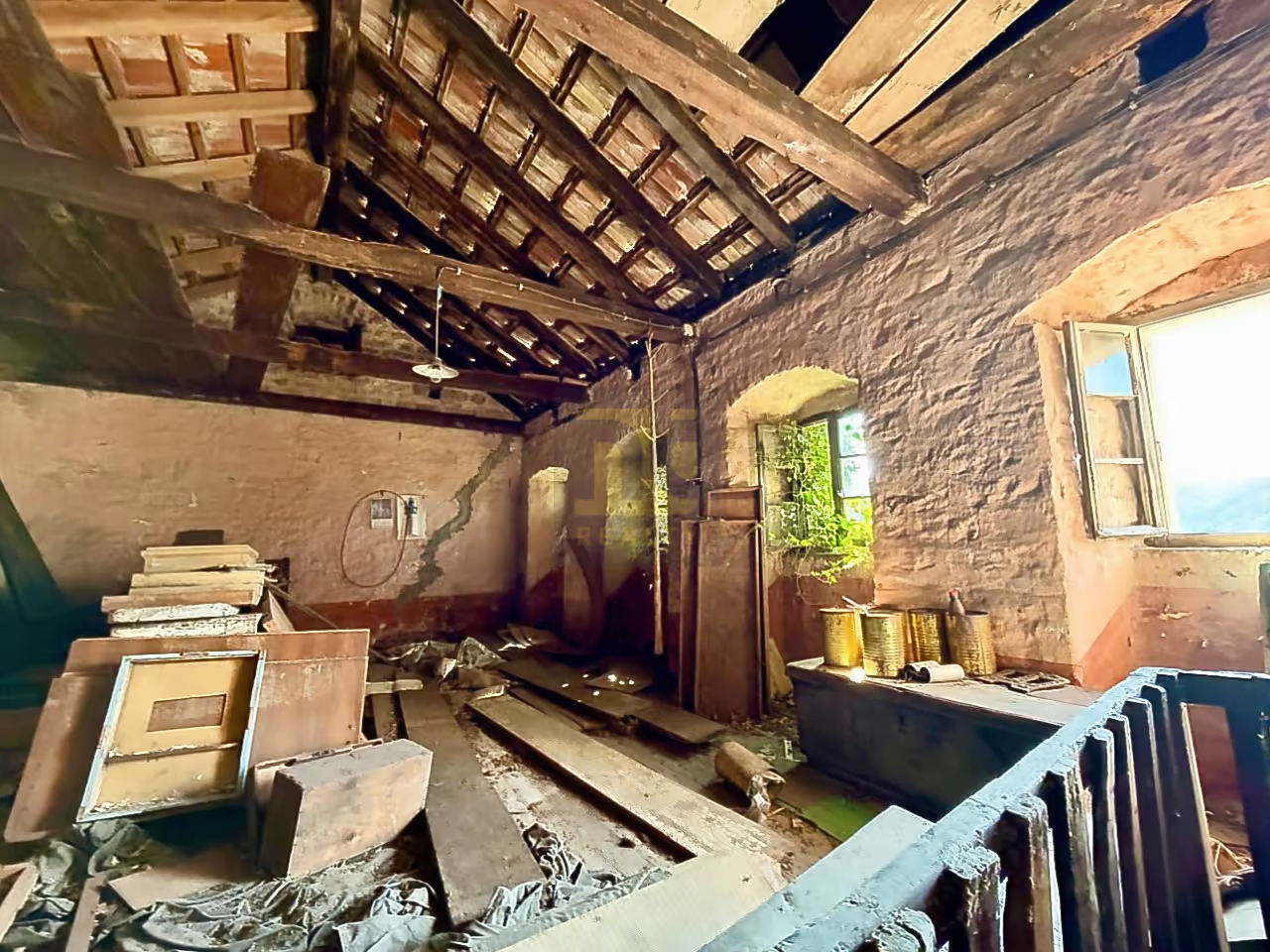
Das Haus selbst ist ein zweigeschossiger Massivbau aus Stein – Erdgeschoss und erstes Obergeschoss – im Originalzustand. Die Mauern sind dick, baulich solide und in der Boka-Tradition errichtet: aus grob behauenem, lokalem Kalkstein, massiv und fest gefügt. Die Dachkonstruktion besteht aus freiliegendem Holz mit Terrakotta-Ziegeln. Steinerne Rundbogenöffnungen, grün gestrichene hölzerne Doppeltüren im Erdgeschoss, Fenster mit Fensterläden im Obergeschoss und eine halb mit Efeu bewachsene Fassade verleihen dem Äußeren den Charakter, den das Dorf verspricht: Gereinigt und neu verfugt, mit Kletterrosen, die am Mauerwerk emporranken, wird dies genau das Postkarten-Häuschen, das Peter beschreibt. Das Innere ist in jeder Hinsicht unfertig – das Gebäude wurde seit einigen Jahren nicht mehr bewohnt, es gibt Inventar zu räumen, und alles vom Boden bis zum Dach erfordert Aufmerksamkeit. Nichts davon wird verborgen. Ein Käufer entscheidet sich für dieses Anwesen wegen seiner Substanz und seiner Lage, nicht wegen seines Zustands.
Hinter dem Haus, am oberen Ende des Grundstücks, reicht das Land bis zur dörflichen Zufahrtsstraße. In den meisten Teilen von Gornja Lastva parkt man, wo man kann, und geht zu Fuß. Hier schafft die Grundstücksgrenze auf Straßenniveau die Möglichkeit für einen sicheren Stellplatz innerhalb des eigenen Geländes – bestätigt in den Konzeptzeichnungen des Architekten und in den Renderings als ein auf Straßenniveau geparktes Auto mit einer Treppe, die zum Haus hinunterführt. In einem geschützten Dorf, in dem neue Zufahrtspunkte nicht einfach so angelegt werden können, ist dies ein praktischer Vorteil, den die meisten vergleichbaren Grundstücke nicht bieten.
Die Planungsunterlagen – die von der Gemeinde Tivat ausgestellten städtebaulichen technischen Bedingungen (UTU) – unterstützen den Umbau und die Erweiterung des bestehenden Hauses über drei Ebenen. Ein Architekt wurde bereits beauftragt und ein Konzeptentwurf erstellt, der das erweiterte Haus mit Dachgauben auf der Dachebene, einer verglasten Veranda und einem Solarium auf der mittleren Terrasse sowie einem separaten überdachten Nebengebäude auf der unteren landwirtschaftlichen Terrasse zeigt. Die UTU-Parameter sind das maßgebliche Dokument für jedes Umbauprogramm und sollten vor der Festlegung von Planungsentscheidungen mit der Gemeinde – und mit einem qualifizierten Architekten, der die erteilten Bedingungen prüft – bestätigt werden. Die planerische Ausweisung als „Prošireni dom“ erlaubt ausdrücklich die Nutzung als Familienwohnsitz, touristische Gästeunterkunft oder eine Kombination aus beidem.
Das untere Grundstück ist landwirtschaftliche Fläche mit etablierten Olivenbäumen. Die Wasserversorgung erfolgt über eine Bistjerna, die traditionelle steinerne Regenwasserzisterne, die fast zu jedem historischen Boka-Anwesen gehört und bei Bedarf durch Tankwagenlieferungen ergänzt wird. Das System ist Standard für Gornja Lastva und dient bei korrekter Wartung ganzjährig. Ein Anschluss an die Kanalisation ist nicht vorhanden; eine biologische Kläranlage wird erforderlich sein. Strom kann über das übliche kommunale Verfahren angeschlossen werden.
Ein Punkt im Grundbuch erfordert vor dem Kaufabschluss Aufmerksamkeit: Eines der Teilgrundstücke, aus denen das kombinierte Grundstück besteht, wies im Grundbuchauszug von 2021 mehrere Miteigentümer auf. Das Angebot des Verkäufers gibt den Eigentumsstatus mit 1/1 an, was auf eine nachträgliche Zusammenlegung hindeuten könnte; der Anwalt des Käufers sollte die aktuelle Situation auf diesem Grundstück unabhängig prüfen, bevor er fortfährt.
Der Vrmac-Höhenweg, der als eine der schönsten Küstenwanderrouten Montenegros gilt, ist direkt vom Dorf aus zu Fuß erreichbar. Das Dorf erwacht jeden August kurz und herzlich zu den Festspielen von Lastva zum Leben – mit Musik, Essen und der besonderen Zufriedenheit eines Ortes, der nicht vergessen hat, was er ist. In den anderen elf Monaten ist es auf eine Weise still, die heute nur noch schwer zu finden ist.
Wichtige Merkmale
– Zweigeschossiges traditionelles Steinhaus, 103 m², im Originalzustand – umfassende Renovierung erforderlich
– Grundstück von insgesamt ca. 347 m², einschließlich 27 m² Ruinengebäude und 109 m² landwirtschaftlicher Fläche mit Olivenbäumen
– Grundstücksgrenze reicht bis zur dörflichen Zufahrtsstraße – Stellplatz auf dem eigenen Gelände möglich, was in Gornja Lastva ungewöhnlich ist
– UTU unterstützt Umbau über drei Ebenen (EG+1+Dachgeschoss); Ausweisung als „Prošireni dom“ erlaubt Wohn- und touristische Nutzung
– 18 m² großes Nebengebäude auf der unteren landwirtschaftlichen Fläche zulässig
– Architekt beauftragt; Konzeptentwurf und 3D-Renderings verfügbar
– Blick auf die Bucht und Porto Montenegro vom Obergeschoss aus
– Angrenzend an die Kirche der Geburt der Jungfrau Maria (1410) – sommerliche Jazz-, Blues- und klassische Konzerte im Mondschein
– Wasserversorgung über traditionelle Bistjerna-Zisterne; Stromanschluss möglich; biologische Kläranlage für Abwasser erforderlich
Was es besonders macht
Immobilien in Gornja Lastva kommen nur selten auf den Markt. Wenn dies geschieht, sind sie entweder vollständig renoviert – zu einem Preis, der die bereits geleistete Arbeit widerspiegelt und nicht das ungenutzte Potenzial – oder es fehlt ihnen ein Zufahrtsweg und die notwendigen Parkmöglichkeiten, die eine ganzjährige Nutzung erst sinnvoll machen. Bei diesem Objekt ist beides nicht der Fall. Das Grundstück grenzt direkt an die Zufahrtsstraße, die Parkplatzsituation ist in den Bauplänen bereits berücksichtigt, und die Planungsunterlagen erlauben eine Erweiterung zu einem dreistöckigen Haus, das sowohl privat als auch touristisch genutzt werden kann. Der Preis von 190.000 € spiegelt direkt den aktuellen Zustand und den anstehenden Arbeitsaufwand wider – nicht jedoch die Lage. Diese gehört zu den exklusivsten in allen geschützten Dörfern oberhalb der Bucht von Kotor, und eine fertiggestellte Immobilie an diesem Standort wäre zu diesem Preis bei weitem nicht zu finden.
Für Käufer
Ein Käufer mit echtem Interesse an einer Renovierung in einer der architektonisch bedeutendsten Dorflagen Montenegros, der über ein separates Budget für die Arbeiten verfügt und die Geduld mitbringt, diese fachgerecht umzusetzen. Die baurechtliche Widmung ermöglicht die spätere Nutzung als Boutique-Gästehaus, Ferienunterkunft oder privater Wohnsitz. Nicht geeignet für Interessenten, die eine schlüsselfertige Immobilie suchen, fußläufige Erreichbarkeit von täglichen Besorgungen wünschen oder auf ein Leben an der Küste ohne Auto angewiesen sind.
Lokale Infrastruktur
Gornja Lastva ist eine Siedlung, kein Dorf im Sinne einer Versorgungseinrichtung. Es gibt hier weder ein Geschäft noch ein Café, eine Apotheke oder ein Postamt – und das schon seit Jahrzehnten nicht mehr. Was der Ort stattdessen bietet, ist an der montenegrinischen Küste zunehmend selten: echte Ruhe, eine geschützte historische Bausubstanz, Olivenhaine, Trockenmauern und eine Lage auf dem Vrmac-Rücken mit einem Ausblick, der an klaren Tagen bis zur offenen Adria reicht. Die Kirche der Geburt der Jungfrau Maria aus dem Jahr 1410, nur wenige Schritte vom Grundstück entfernt, bildet das Herz der Siedlung. Im Sommer ist sie Schauplatz für Jazz- und Bluesabende sowie klassische Konzerte im Mondschein, die Besucher aus Tivat und der Umgebung anlocken. Der Wanderweg auf dem Vrmac-Rücken ist vom Dorf aus zu Fuß erreichbar und gilt als eine der schönsten Küstenwanderrouten des Landes. Alles andere – Lebensmittelgeschäfte, Restaurants, Apotheken, Schulen – befindet sich in Tivat oder Porto Montenegro, beides jeweils nur 15 Autominuten entfernt.
In Gornja Lastva – zu Fuß
– Kirche der Geburt der Jungfrau Maria (Male Gospa), 1410: ~50 m / 1 Min. – Sommer-Jazz, Blues und klassische Konzerte im Mondschein
– Kirche Sveti Vid, 1327: innerhalb der Siedlung – kurzer Fußweg
– Olivenmühle aus dem 19. Jahrhundert: innerhalb der Siedlung
– Vrmac-Wanderweg: direkt zu Fuß erreichbar
Mit dem Auto
– Porto Montenegro: 5,2 km / 14 Min.
– Stadtzentrum Tivat: ca. 10 Min. (auf dem Weg nach Porto Montenegro)
– Flughafen Tivat (TIV): 13 km / 26 Min.
– Altstadt von Kotor: 16 km / 33 Min.
– Flughafen Dubrovnik (DBV): 49 km / 1 Std. 29 Min. — Grenzübergang; planen Sie in der Hochsaison zusätzliche Zeit ein
– Flughafen Podgorica (TGD): 95 km / 2 Std. 6 Min.
Öffentliche Verkehrsmittel
Es gibt keine direkte Anbindung an Gornja Lastva. Ein Auto ist für den Alltag unerlässlich.
Einschätzung der Makler
Gornja Lastva ist eines der wenigen Dörfer in der Bucht von Kotor, über das sich ernsthafte Käufer und Architekten gleichermaßen streiten. Die Lage, die geschützte Bausubstanz und die Nähe zu Tivat heben es von den meisten Immobilien am Hang ab – und da Gebäude hier nur selten auf den Markt kommen, stellt sich bei einem Angebot lediglich die Frage, ob der Käufer hinter den aktuellen Zustand blicken kann. Dieses Objekt hat eine solide Basis: dicke Steinmauern, eine stabile Struktur, ein Grundstück, das bis zur Straße reicht, eine Baugenehmigung, die eine echte Erweiterung ermöglicht, und einen Ausblick aus dem Obergeschoss, der nicht verbaut werden kann. Der Arbeitsaufwand ist beträchtlich und das Budget sollte von Anfang an ernsthaft kalkuliert werden – Wassersystem, biologische Kläranlage, Dach, alle drei Etagen sowie das Nebengebäude, falls das untere Grundstück bebaut werden soll. Aber eine Lage wie diese für 190.000 € bietet der Markt kein zweites Mal. Ein Käufer, der mit klarem Blick an die Sache herangeht, einen guten lokalen Architekten und einen zuverlässigen Bauunternehmer engagiert und Geduld mitbringt, wird am Ende etwas besitzen, das Gornja Lastva so schnell nicht wieder hergibt.
NT Realty is a boutique real estate agency based in Tivat, Montenegro. Founded by Peter Flynn, who first came to the Bay of Kotor in 2005 as a property investor and has since built businesses across real estate development, architecture, and interior design, the agency is run alongside Maša Flynn — architect and former Head of Design at Porto Montenegro, where she delivered over €60 million of projects on time and on budget. Between them they bring a depth of local market knowledge that is difficult to find elsewhere in the region.
The team specialises in properties for sale and long-term rentals across the Bay of Kotor, Tivat Bay, and the Luštica Peninsula — from Porto Montenegro and Luštica Bay to private homes throughout the wider region. Our job is to guide buyers, sellers, and tenants through the process clearly, honestly, and without unnecessary complexity.
Landkarte
Leitfaden für die Nachbarschaft

Entdecke Tivat
Erfahren Sie mehr über das Leben in Tivat: Aktivitäten und Sehenswürdigkeiten in Tivat
Häufig gestellte Fragen

Nach dem Kauf und der Registrierung erhalten Sie die Schlüssel und nehmen sie in Besitz. Zu den nächsten Schritten gehören die Übertragung der Nebenkosten auf Ihren Namen, die Einrichtung der Zahlungen für das Gebäudemanagement, falls es sich um eine Wohnung handelt, der Abschluss einer Hausratversicherung und — falls Sie die Wohnung vermieten — die Registrierung für die Kurtaxe und das Einholen aller erforderlichen Genehmigungen. Ihr Anwalt oder Bevollmächtigter kann Sie durch die administrativen Aspekte führen.
Mieteinnahmen werden mit 15% auf die Bruttoeinnahmen besteuert, wenn Sie kurzfristig vermieten (Touristenvermietungen), oder Sie können sich für eine Besteuerung des Nettoeinkommens nach Abzug der Ausgaben für Langzeitmieten entscheiden. Sie zahlen außerdem die kommunale Kurtaxe (1€ pro Nacht und Gast in der Hochsaison, 0,50€ in der Nebensaison) und müssen Ihre Vermietung bei den Steuerbehörden und der Tourismusbehörde registrieren.
Die jährliche Grundsteuer ist ziemlich niedrig — nur 0,25% des geschätzten Immobilienwerts pro Jahr. Der Schätzwert liegt in der Regel weit unter dem Marktwert, sodass Sie für eine Wohnung an der Küste im Wert von 200.000€ möglicherweise 200-500 € jährlich zahlen. Es wird von Ihrer Gemeinde erhoben und gehört zu den günstigeren laufenden Kosten in Montenegro.
Die Notargebühren richten sich nach dem offiziellen Tarif und richten sich nach Ihrem Kaufpreis. Bei den meisten Wohnimmobilien müssen Sie mit 350 bis 1.000€ zuzüglich 21% Mehrwertsteuer rechnen — also insgesamt etwa 423-1.210 €. Für eine Immobilie im Wert von 250.000€ fallen Grundgebühren in Höhe von etwa 532€ an. Außerdem fallen geringe Gebühren für das Kopieren von Dokumenten und die administrative Ablage an, sodass Ihre endgültige Notarrechnung möglicherweise etwas höher ausfällt.
Für Wiederverkaufsimmobilien zahlen Sie 3% Grunderwerbsteuer (RETT) auf den Kaufpreis. Für Neubauten von Entwicklern wird für die RETT kein Steuersatz erhoben, aber sie enthalten 21% Mehrwertsteuer im Preis — obwohl Entwickler diese Mehrwertsteuer in der Regel zurückfordern können. In jedem Fall sollten Sie etwa 3% des Kaufpreises für die Transfersteuer einplanen, es sei denn, es handelt sich um einen Neubau, bei dem die Mehrwertsteuer bereits enthalten ist.
Der Notar erhält oder verwahrt das Geld nicht direkt. Stattdessen muss der Verkäufer dem Notar schriftlich bestätigen, dass er den vollen Kaufpreis erhalten hat. Erst nachdem der Notar diese schriftliche Bestätigung erhalten hat (und überprüft hat, dass die Steuerpflichten eingehalten werden), wird er die Clausula Intabulandi ausstellen. Bei einigen Transaktionen werden aus Sicherheitsgründen Bankbestätigungen verwendet.
Ja, wenn Sie verheiratet sind oder in einer eingetragenen Partnerschaft leben, benötigen Sie in der Regel die schriftliche Zustimmung Ihres Ehepartners oder Partners, um Immobilien in Montenegro zu verkaufen, auch wenn die Immobilie ausschließlich in Ihrem Namen registriert ist. Dies schützt die Interessen beider Parteien gemäß den Vorschriften über das eheliche Vermögen. Ihr Notar wird die spezifischen Anforderungen für Ihre Situation bestätigen.
Die Clausula Intabulandi ist die offizielle Bestätigung des Notars, dass alle rechtlichen und finanziellen Verpflichtungen erfüllt wurden, sodass die Immobilie in Ihrem Namen registriert werden kann. Der Notar stellt es erst aus, nachdem bestätigt wurde, dass Sie den vollen Preis und alle Steuern bezahlt haben. Es ist Ihr grünes Licht für die Katasterregistrierung — ohne es können Sie nicht der rechtmäßige Eigentümer werden.
Jede Immobilie und jeder Eigentümer hat bestimmte Nummern, die auf Verträgen erscheinen: Ihre JMBG (persönliche ID), die JMBG- oder Firmenregistrierung des Verkäufers und die Katasternummer der Immobilie (katastarska parcela/čestica). Diese verbinden alles, was in den offiziellen Registern steht, und sind für Registrierungs- und Steuerzwecke unerlässlich.
Nein, Montenegro hat kein Titelversicherungssystem wie die USA oder Großbritannien. Stattdessen verlassen sich Käufer auf eine umfassende rechtliche Sorgfaltspflicht. Ihr Anwalt oder Notar überprüft das Kataster, die Besitzverhältnisse, die Belastungen und Genehmigungen, bevor Sie sich verpflichten. Es ist ein anderes System, aber bei ordnungsgemäßer Überprüfung ist es genauso sicher.
Das hängt davon ab, wo Ihre Dokumente ausgestellt wurden. Wenn Sie aus einem Land der Haager Konvention stammen (zu dem die meisten westlichen Länder gehören), benötigen Sie eine Apostille. Wenn nicht, müssen Ihre Dokumente konsularisch beglaubigt werden. In jedem Fall benötigen sie außerdem eine beglaubigte Übersetzung durch einen vereidigten Gerichtsübersetzer in Montenegro.
Ihr Anwalt verlangt einen offiziellen Auszug (List nepokretnosti) aus dem Immobilienkataster, aus dem das aktuelle Eigentum, etwaige Hypotheken oder Pfandrechte, Grundstücksgrenzen und die rechtliche Beschreibung hervorgehen. Der Notar überprüft auch die Identität und Rechtsfähigkeit des Verkäufers. Diese Sorgfaltspflicht dauert in der Regel einige Tage und kostet etwa 18-25 € für den Katasterauszug.
Sie erhalten ein JMBG bei der örtlichen Polizeidirektion (MUP), indem Sie Ihren Reisepass und den Eigentumsnachweis vorlegen und einen einfachen Antrag ausfüllen. Das Verfahren dauert in der Regel einige Tage, und Sie benötigen diese Nummer für Steuererklärungen und die Registrierung von Immobilien — auch ohne Wohnsitz.
Bei einer unkomplizierten Wiederverkaufswohnung mit sauberem Papierkram kann der Kaufvorgang oft innerhalb von 3-6 Wochen abgeschlossen werden. Komplexere Transaktionen, Neubauten oder hypothekenfinanzierte Käufe können länger dauern.
Einige Banken vergeben Kredite an Ausländer, aber die Bedingungen sind strenger — niedrigeres Verhältnis von Krediten zu Wert und strengere Einkommensanforderungen. Viele ausländische Käufer finanzieren über ihr Heimatland oder zahlen bar.
Offiziell ist alles in Euro. Sie können vor dem Versand von Ihrer Heimatwährung aus umrechnen oder in einigen Fällen mit Kryptowährung abrechnen, wenn beide Parteien und der Notar damit einverstanden sind. Der Vertragspreis und die Steuern basieren jedoch immer auf Euro.
Neben dem Kaufpreis und der Grunderwerbsteuer, dem Budget für Notargebühren, Übersetzungen, Anwaltskosten und möglicherweise Agenturgebühren — zusammen summieren sich diese Kosten in der Regel auf 2-4% Ihrer Gesamtkosten.
Nein. Die meisten ausländischen Käufer verwenden eine Vollmacht, um jemanden hier — Ihren Anwalt, NT Realty oder einen anderen vertrauenswürdigen Vertreter — zu ermächtigen, in Ihrem Namen zu unterzeichnen.
Gemäß Vereinbarung zahlt der Käufer in der Regel sowohl die Notargebühren als auch die Gebühren für den vereidigten Gerichtsübersetzer, obwohl dies zwischen den Parteien ausgehandelt werden kann.
Ja, und es ist einfacher als die meisten Leute erwarten. In Montenegro sind ausländische Käufer — sowohl aus der EU als auch aus Ländern außerhalb der EU — willkommen. In den meisten Fällen können Sie Immobilien in Ihrem eigenen Namen besitzen, ohne dass Sie einen Wohnsitz oder eine lokale Firma benötigen.
Haftungsausschluss: Kaufkosten und Richtigkeit der Informationen
Alle mit dem Kauf verbundenen Kosten, einschließlich Notargebühren, Grunderwerbsteuer (falls zutreffend) und etwaige Anwaltskosten, liegen in der alleinigen Verantwortung des Käufers. ntRealty übernimmt keine Verantwortung für die Richtigkeit der hier veröffentlichten Informationen, die ausschließlich auf den Angaben basieren, die uns von den Eigentümern zur Verfügung gestellt wurden. ntRealty ist nicht verpflichtet, diese Liste zu aktualisieren, zu ändern oder zu ergänzen oder einen Leser über Informationen zu informieren, einschließlich städtebaulicher oder kadentechnischer Informationen Astraldaten werden anschließend ungenau. Alle Angebote unterliegen einem Zwischenverkauf. Agenturprovision: Dem Käufer wird keine Agenturprovision in Rechnung gestellt. Die Agenturgebühr wird vom Verkäufer bezahlt.
Verwandte Eigenschaften
.jpg)
Erhalten Sie Immobilien-Updates für Montenegro direkt in Ihren Posteingang.
Interessieren Sie sich für den Kauf eines Eigenheims? Suchen Sie nicht weiter, als mit unseren Immobilienexperten zusammenzuarbeiten.